


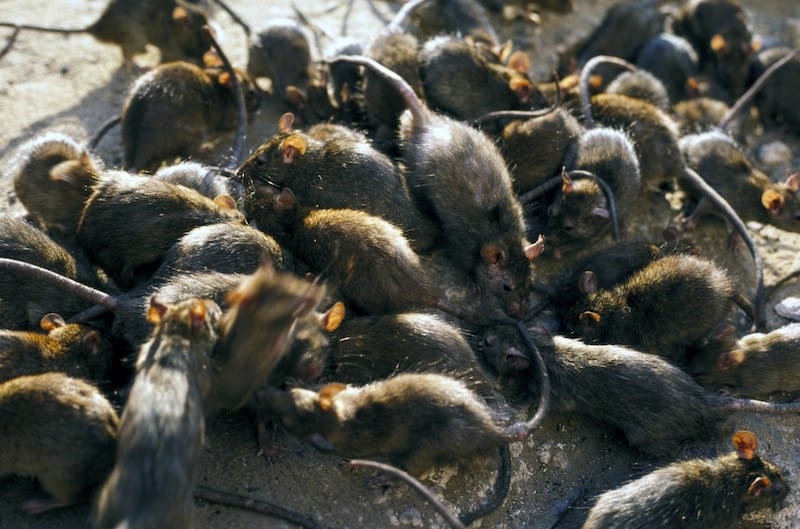
Port Harcourt is confronting a problem that is easy to dismiss until it becomes impossible to ignore. Rats are increasingly becoming a familiar presence around homes, markets, food stores and other urban spaces, raising fresh concerns about what poor waste management could mean for public health.
Charted reports identified Port Harcourt among several Nigerian cities experiencing a growing rodent problem, with rats reportedly damaging property, contaminating food supplies and creating potential exposure to diseases including Lassa fever, leptospirosis and salmonella.
The problem, however, is bigger than rats. Where refuse accumulates, food waste is left exposed and drainage systems become clogged, rodents find exactly what they need to survive. The more persistent the waste problem becomes, the easier it is for the population of pests to grow.
For a city once widely celebrated as the Garden City, how clean can Port Harcourt really be if waste continues to provide an environment in which pests thrive?
The concern is particularly important in a densely populated city where homes, markets, restaurants and businesses operate close to one another. Rodents moving through these environments can contaminate food and surfaces, turning an environmental problem into a potential health problem.
Also see: Rivers Releases 2026/2027 Academic Calendar
Rivers State is already attempting to strengthen its response. The Rivers State Waste Management Agency, RIWAMA, recently partnered with the Police Community Relations Committee to tackle illegal dumping and poor sanitation through stronger community enforcement and public awareness.
RIWAMA also intensified waste evacuation and sanitation operations across Port Harcourt and Obio/Akpor ahead of the Nigerian Bar Association conference, deploying sanitation marshals and placing waste bins around major conference locations but temporary clean-ups cannot be the entire solution.
Port Harcourt needs a waste-management system that prevents refuse from becoming a permanent feature of the urban landscape. That means reliable evacuation, adequate waste collection points, enforcement against illegal dumping and greater public responsibility.
Residents also have a role to play. Throwing refuse into drains, empty plots and unauthorised dumps may appear convenient, but the consequences eventually return to the community through blocked drainage, flooding, unpleasant surroundings and increased pest activity. The rat problem should therefore be treated as a warning and acted upon.
Port Harcourt needs a waste-management culture strong enough to ensure that rats do not become the most visible sign of a city struggling to keep itself clean.
