


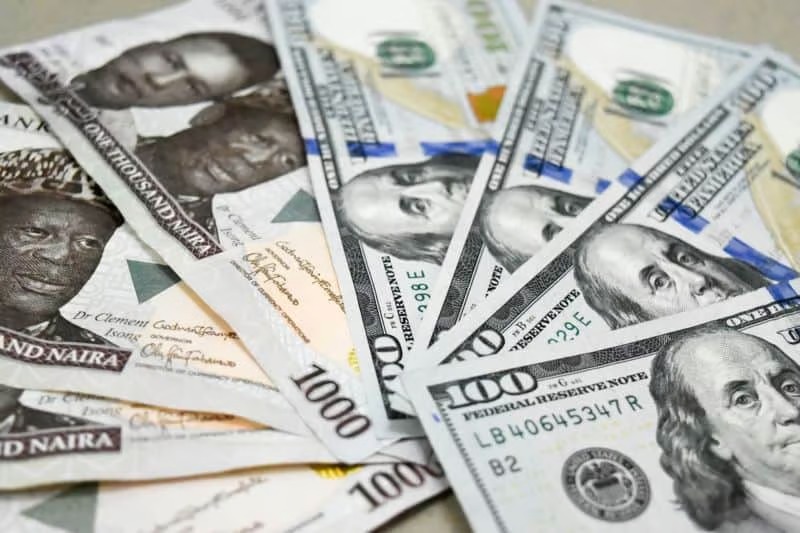
The Dangote Group has warned that a strong US dollar, high global interest rates, and rising external debt are putting pressure on African economies, threatening government spending on infrastructure and essential public services.
The warning was contained in the group’s first-half 2026 Economic Report, which identified tight external financing conditions as a major risk to Africa’s economic outlook despite resilient growth across several countries.
According to the report, countries with substantial foreign debt and high energy import bills face increased exposure to currency instability, rising borrowing costs and expensive imports, leaving governments with fewer resources for development projects.
The report noted that West and East Africa continued to record stronger growth than southern Africa, with Côte d’Ivoire, Ghana and Kenya performing relatively well.
Nigeria’s economic growth stood at about four per cent, while South Africa recorded approximately two per cent, partly due to electricity shortages and logistics challenges.
Read Also: first-holdco-shares-surge-226-as-investors-weigh-profit-gains-against-risks
It also highlighted the uneven impact of global commodity prices, noting that oil exporters could benefit from higher energy prices, while fuel-importing countries face increased costs.
Meanwhile, falling cocoa prices could weaken export earnings in Ghana and Côte d’Ivoire, although elevated gold prices have supported producers such as Ghana.
On currency performance, the report said the naira appreciated by approximately four per cent against the dollar in the first half of 2026, while Ghana’s cedi depreciated by about 11 per cent. South Africa’s rand remained broadly stable.
Looking ahead, the Dangote Group expects economic growth across Africa to remain resilient in the second half of the year but warned that external financing pressures and commodity-price volatility could undermine development efforts.
The report urged African governments to strengthen external reserves, manage debt obligations, and preserve investment in productive sectors to sustain long-term economic growth.
