


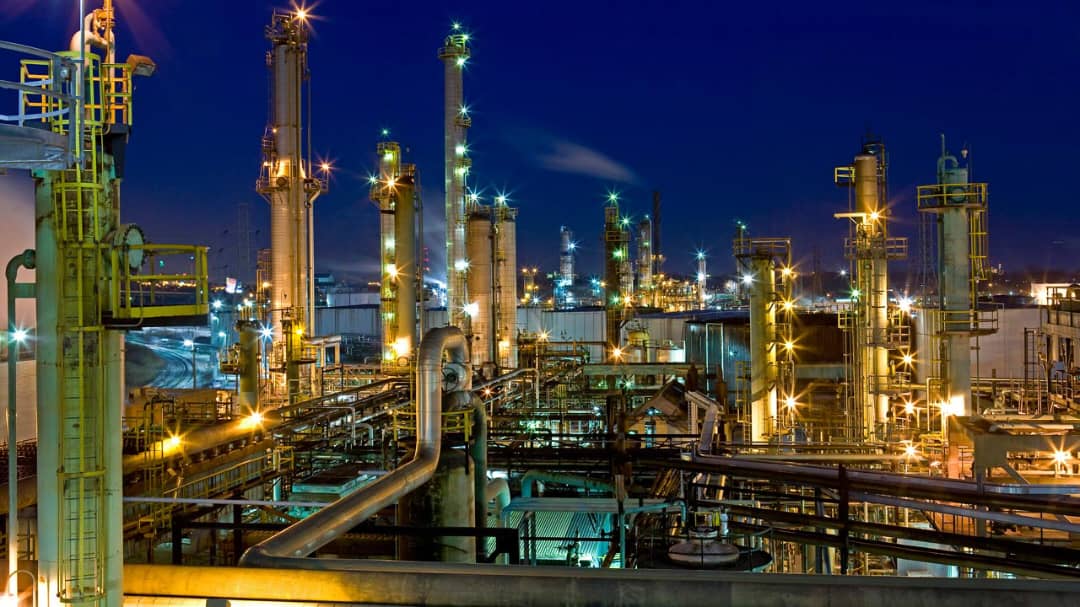
Nigeria has once again crossed an important threshold in its oil industry, exceeding its OPEC production quota for the third consecutive month. In July, the country produced about 1.67 million barrels of crude oil per day, keeping output above its 1.5 million barrels-per-day OPEC allocation despite a decline from the previous month.
The development is significant for an industry that has struggled for years with production losses caused by oil theft, pipeline vandalism, insecurity, ageing infrastructure and operational disruptions. For Nigeria, consistently meeting its OPEC target suggests that some of the measures taken to stabilise upstream operations are beginning to produce results.
The improvement did not happen overnight. Production had already been rising steadily through the first half of the year, reaching a 74-month high in June when crude output alone averaged 1.56 million barrels per day, equivalent to 104 per cent of the country’s OPEC quota. The Nigerian Upstream Petroleum Regulatory Commission attributed the June improvement largely to more stable production operations and the absence of major pipeline outages.
Also see: OSPAC Arrests Suspect After Shooting At Ignatius Ajuru University
But the latest figures also present an important reality check. July’s 1.67 million barrels per day figure includes crude and condensate in some reports, while crude-only production was lower. That distinction matters because condensates are not treated in exactly the same way as crude when OPEC quotas are assessed.
More importantly, producing above quota does not automatically mean Nigerians will immediately feel richer. Higher production can strengthen government revenues and foreign-exchange earnings, but the benefit depends on how effectively those revenues are managed. Nigeria still faces high living costs, infrastructure gaps, energy challenges and substantial public financing needs.
The real test, therefore, is whether this improvement can be sustained. A temporary rise in production is encouraging; maintaining higher output while reducing theft, protecting pipelines, improving investment and increasing refining capacity would be far more consequential.
Nigeria’s return to stronger production levels is undoubtedly good news for an economy that remains heavily dependent on petroleum revenues. But the bigger opportunity lies beyond simply celebrating the barrels. The country must turn those additional barrels into reliable revenue, productive investment and measurable improvements in citizens’ lives.
