


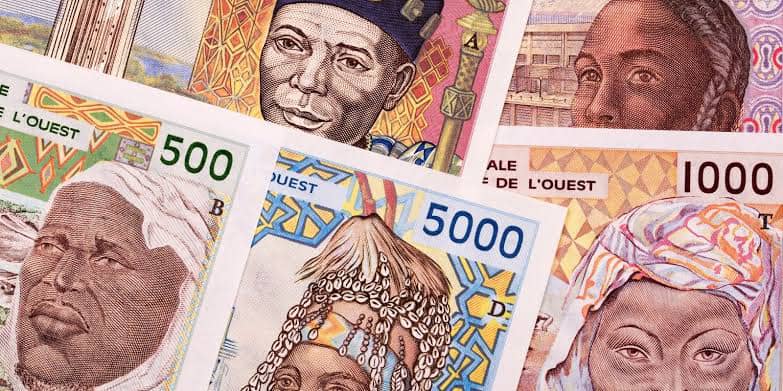
The renewed conversation about a single West African currency has gained momentum, with the Economic Community of West African States (ECOWAS) reaffirming 2027 as its target for launching the ECO. However, claims circulating online that Nigeria will automatically abandon the naira next year are misleading.
At its July 2026 summit in Sierra Leone, ECOWAS leaders reaffirmed their commitment to the ECO but approved a phased implementation. Countries that meet the bloc’s required economic convergence criteria would participate in the initial rollout, while countries that are not yet ready could join later. This means there is no blanket decision requiring every ECOWAS member to replace its national currency simultaneously.
Nigeria remains an important player in the project. The Federal Government has previously expressed support for the ECO, while Finance Minister Wale Edun participated in regional discussions on the currency and the broader goal of deeper economic integration.
The proposed currency is intended to make cross-border trade easier, reduce currency-conversion barriers and strengthen economic integration across West Africa. However, introducing a common currency would also require participating countries to maintain sufficient economic stability, including control of inflation, sustainable fiscal management and other convergence requirements.
Also see: Judges Should Not Decide Outcome of Elections for Nigerians- Obasanjo
The challenges are already evident. Guinea has announced that it will not adopt the ECO at this stage, choosing to retain the Guinean franc. This further demonstrates that adoption will depend on individual countries’ readiness rather than an automatic region-wide transition.
For Nigeria, the immediate implication is that there is no official announcement that the naira will be abolished in 2027. The ECO project is genuine, and 2027 remains the current target, but the actual rollout will depend on economic conditions, regional agreements and which countries qualify for the first phase.
The development therefore represents a significant step in West Africa’s long-standing pursuit of monetary integration, but it is not yet the immediate replacement of the naira. The real test will be whether ECOWAS can achieve the economic coordination and stability required to make a common currency sustainable.
