


Nigeria plans to transfer unfinished projects and outstanding spending commitments under its 2026 budget to the 2027 fiscal year as the Federal Government renews efforts to end the practice of running overlapping budgets.
The Minister of Finance and Coordinating Minister of the Economy, Taiwo Oyedele, disclosed the plan on Thursday, October 8, during the launch of the World Bank’s Nigeria Development Update in Abuja.
“Whatever is left of 2026, we’re transferring into 2027, not running two budgets,” Oyedele said, according to a report published on Friday.
The proposed arrangement is intended to consolidate outstanding obligations into the next budget cycle. However, the announcement did not specify the total value of the commitments to be transferred, when contractors would receive outstanding payments or when affected projects would be completed.
Tinubu’s Earlier Deadline
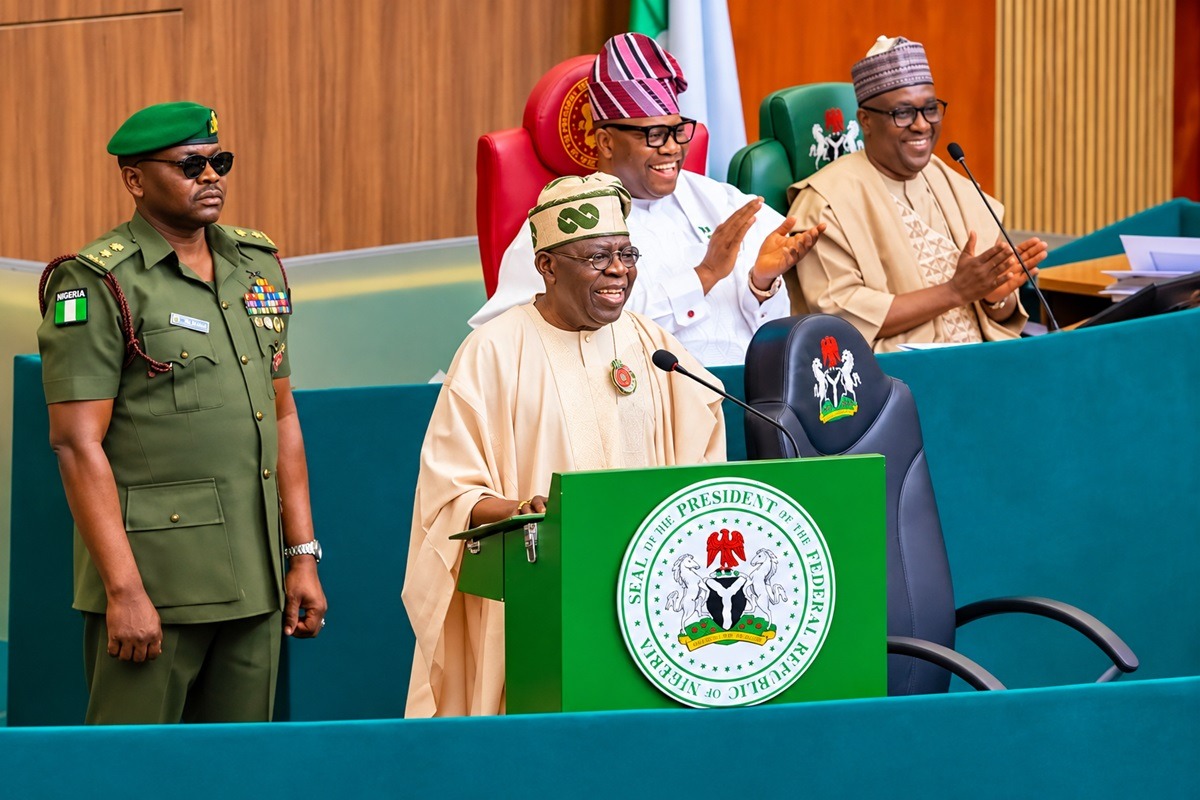
The latest plan comes months after President Bola Tinubu pledged to eliminate the backlog of inherited capital liabilities and end overlapping budgets.
Presenting the 2026 budget proposal on December 19, 2025, Tinubu said the government would fund and settle capital liabilities inherited from previous years by March 31, 2026.
“From April, Nigeria will operate on a single budget backed by a single revenue cycle,” the President said.
However, the continued need to carry unfinished projects and outstanding commitments into another fiscal year suggests that the transition to a single-budget system remains a challenge.
Tinubu’s December address highlighted the funding constraints facing capital projects. By the third quarter of 2025, the government had released ₦3.10 trillion, representing approximately 17.7 per cent of that year’s capital budget. The President attributed the limited releases partly to the priority given to completing projects carried over from 2024.
Revenue performance also fell short of expectations, with the government collecting ₦18.6 trillion by that period, equivalent to 61 per cent of its target.
These figures relate to the period covered by the President’s address and do not represent current budget performance.
Oyedele’s latest remarks point to continuing concerns about revenue forecasting and expenditure planning. He acknowledged weaknesses in revenue projections and said future spending plans would be more closely aligned with actual fiscal performance.
Outstanding Commitments Pose Funding Challenges
The Federal Government has previously defended budget extensions as a means of preventing the abandonment of ongoing projects and protecting contractors from disruptions caused by delayed funding.
In a statement issued on May 17, the Budget Office said extensions helped maintain contractors’ liquidity, preserve employment and ensure the continuation of capital projects.
The office also emphasised that expenditure authority remained subject to legislation approved by the National Assembly.
Carrying outstanding commitments into a subsequent budget, however, does not automatically guarantee their immediate funding. The government must still determine which projects receive priority and when the necessary funds will be released.
For contractors and suppliers, the timing of payments is critical to meeting payroll obligations, purchasing construction materials, and maintaining work on project sites.
Consequently, the inclusion of outstanding commitments in the 2027 budget may provide a framework for continued funding, but it does not, on its own, establish payment schedules or completion dates.
2027 Budget Proposal Expected Before New Fiscal Year
Oyedele also said the government intended to submit the 2027 appropriation proposal before the start of the new fiscal year, although he did not guarantee that the legislative timetable would be met.
The government has yet to disclose the total value of the outstanding commitments expected to be transferred or provide a list of the projects affected.
Those details are expected to be important as ministries, departments and agencies prepare their spending requests for the next fiscal year.
The success of the proposed transition will depend not only on consolidating outstanding obligations within the 2027 budget but also on the government’s ability to generate sufficient revenue, secure legislative approval and release funds in line with implementation plans.
Until those details are clarified, contractors and other stakeholders may remain uncertain about when outstanding payments will be settled and when delayed projects will resume or be completed.
