


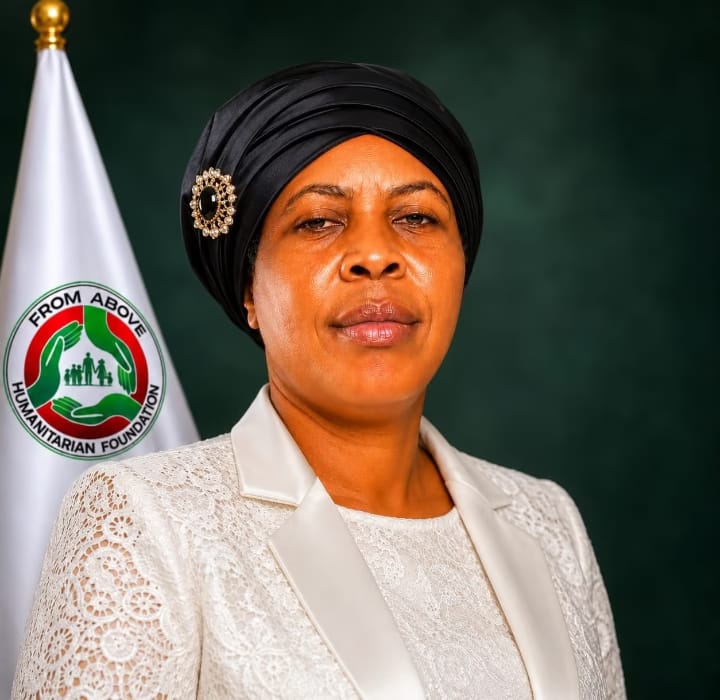
Nigeria’s worsening security crisis is fuelling a silent public health emergency, with women, children, and Persons Living With Disabilities (PLWDs) bearing a disproportionate burden of its medical and humanitarian consequences, a rights advocate has warned.
Amb. Blessing Abel, Executive Director of From Above Humanitarian Foundation (FAHF), raised the alarm in Port Harcourt, noting that sustained attacks on communities and farmlands are disrupting food systems, collapsing healthcare access, and deepening malnutrition risks for millions of vulnerable Nigerians. “When farmers cannot reach their lands and mothers cannot feed their children, we are looking at a nutrition and public health crisis in slow motion,” she said.
Also see: Gas Output Boosts As Shell Touts Pricing Reforms
Abel warned that women face acute health pressures as soaring food costs and shrinking household incomes force families to compromise on nutrition and medical care. Children, she noted, face compounding risks — hunger, disrupted healthcare, and psychological trauma from displacement and violence.
For PLWDs, the crisis cuts deeper. Abel stressed that emergencies routinely exclude this population from relief efforts, severing their access to medication, rehabilitation services, and essential care.
She called on federal and state governments, health agencies, and development partners to integrate health and nutrition responses into anti-insecurity frameworks — prioritising food security, mental health support, and inclusive emergency healthcare for the most vulnerable.
