


In the Niger Delta, the house is on fire, and those sent to fetch water have instead brought more fuel. The Nigerian Navy’s recent seizures are commendable, but they address only one side of a catastrophe that demands far more urgent attention.
The interception of over 135,000 litres of illegally refined diesel by Nigerian Navy Ship PATHFINDER in Rivers State, as announced by the Director of Naval Information, Navy Captain Abiodun Folorunsho, in a statement on Sunday, is, on its face, a law-enforcement success worth acknowledging.
Operations like DELTA SENTINEL signal that the state has not entirely abandoned its responsibility to protect the nation’s energy resources, credit where it is due.
But let us not mistake the policing of stolen barrels for a solution to the Niger Delta’s deeper, more devastating crisis.
While the Navy hunts fuel thieves along the waterways of Onne and Abonema, an entirely different kind of theft is happening in plain sight, one sanctioned by decades of governmental inertia and corporate indifference. A land cursed twice over: first by those who govern it too little, then by those who plunder it too much.
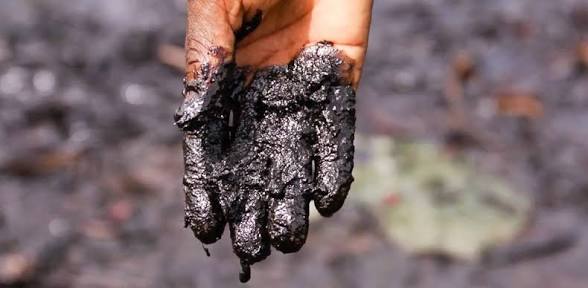
According to We The People Executive Director Ken Henshaw, over 240,000 barrels of crude oil are spilled into the Niger Delta environment every single year. That is not piracy. That is policy failure on a staggering scale.
Also Read: http://Tamunosoye Karibi-George Crowned Miss World Nigeria 2026
Henshaw’s presentation on World Environment Day painted a portrait of communities condemned to slow suffering. For decades, gas flare stacks have burned beside homes, schools, and fishing settlements. 178 active flare points still blazing across the region today, releasing methane, carbon dioxide, and particulate matter into the air that families breathe, the water they drink, and the soil they farm.
This is not a natural disaster. It is a manufactured one.
As Henshaw stated, “Today, the people suffer respiratory illnesses, skin conditions, eye problems, declining agricultural productivity, acid rain, contaminated water sources, and the destruction of local ecosystems.”
The Nigerian government cannot continue celebrating tactical naval victories while ignoring the strategic humanitarian emergency unfolding in its own backyard. Cracking down on illegal refiners matters, but it rings hollow when legitimate extraction activities are themselves poisoning frontline communities with apparent impunity.
The Niger Delta does not need selective enforcement. It needs justice, environmental, social, and economic. That begins with an immediate end to routine gas flaring, serious accountability for oil spills, and a long-overdue commitment to treat Delta communities as citizens deserving protection, not sacrifice zones subsidizing the nation’s prosperity.
The Navy can intercept fuel. Who will intercept the harm?
