


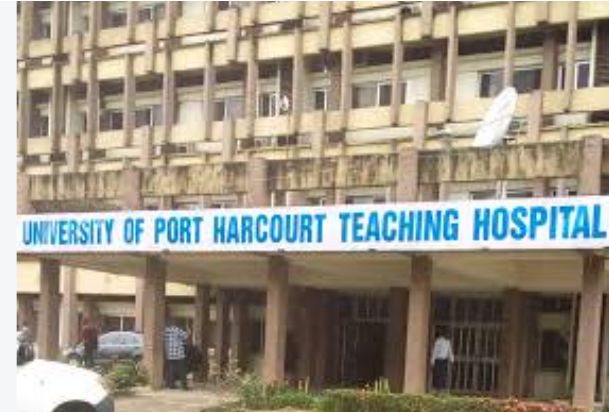
The Youths and Environmental Advocacy Centre (YEAC-Nigeria) has expressed concern over reports of patients waiting for hours, and sometimes days, to receive medical attention at the University of Port Harcourt Teaching Hospital (UPTH), calling for urgent reforms in the public health sector.
The organisation said the situation highlighted broader challenges facing Nigeria’s public healthcare system and raised concerns about citizens’ access to timely and quality medical care.
Speaking on the issue in Port Harcourt on Wednesday, October 14, 2026, YEAC-Nigeria’s Executive Director, Dr Fyneface Dumnamene Fyneface, said reports of patients in critical conditions waiting for medical attention were disturbing and required urgent intervention.
Fyneface, who spoke on behalf of the organisation, said many vulnerable residents of the Niger Delta depended on public healthcare facilities for their medical needs.
He expressed concern over reports of patients lying on benches and in hospital corridors while waiting for doctors, adding that delays in receiving treatment could have serious consequences for those in critical conditions.
“From our advocacy work in communities, we interface with many people who depend solely on public health facilities, from primary health centres to secondary and tertiary institutions like UPTH, for their health needs and survival,” he said.
The YEAC-Nigeria director acknowledged that health workers in public hospitals often operated under difficult conditions but maintained that the Federal Government must address the systemic challenges affecting healthcare delivery.
According to him, inadequate medical personnel, obsolete equipment, overcrowded wards, poor funding and low staff morale were among the factors undermining effective service delivery.
He also linked the migration of health professionals abroad, popularly known as the japa syndrome, to concerns over poor welfare packages for healthcare workers.
Read Also: rivers-govt-activates-60-health-facilities-for-adolescent-friendly-services
“You cannot expect efficient service delivery when the system itself is sick,” he added.
The organisation maintained that access to timely and quality healthcare was a fundamental human right connected to the rights to life and dignity, as well as Nigeria’s obligations under relevant international instruments.
Consequently, YEAC-Nigeria called on the Federal Government and the Federal Ministry of Health to increase funding for UPTH, recruit more doctors, nurses and other healthcare professionals, and upgrade the hospital’s facilities to accommodate the growing number of patients from Rivers State and the wider Niger Delta region.
It also urged the management of UPTH to introduce and strengthen patient-friendly administrative procedures, including effective triage, appointment scheduling and transparent feedback and complaint mechanisms.
The organisation further stressed the need to adequately equip the hospital’s emergency department to ensure prompt treatment of patients requiring urgent medical attention.
YEAC-Nigeria called on the Rivers State Government to strengthen primary and secondary healthcare facilities across the state to reduce pressure on tertiary institutions such as UPTH, which serves as a referral centre for patients from different parts of the Niger Delta.
Fyneface said the reported challenges at the hospital raised questions about Nigeria’s healthcare priorities, particularly given the country’s oil wealth and the financial difficulties many citizens face in accessing medical treatment abroad.
“A society is judged by how it treats its most vulnerable. When a sick citizen has to wait for hours in pain to see a doctor in a Federal Teaching Hospital in an oil-rich state like Rivers, it is an indictment of our governance and development priorities,” he said.
He added that the government must prioritise reforms and address the challenges confronting UPTH to improve access to healthcare and prevent avoidable suffering.
“The government must fix UPTH as a matter of urgent priority,” Fyneface said.
