


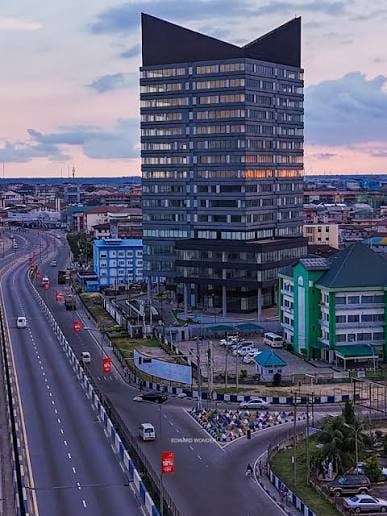
A new global report has just crowned Nigeria as Africa’s largest real estate market, worth $2.6 trillion, with Port Harcourt cited as the country’s fastest-growing city, expanding at 30 percent, nearly double Lagos and Abuja. The timing could not be more revealing.
Barely weeks after that report made headlines, fresh market data confirms what Port Harcourt tenants already knew in their bones: the city’s average flat rent has climbed to almost ₦3 million a year, a jump of over 20 percent in twelve months, while wages for most non-oil workers have gone nowhere. On the city’s fringes, the picture is worse, one-bedroom rents in areas like Igbo-Etche have jumped from around ₦250,000 to ₦450,000 in a single renewal cycle, an 80 percent hike in neighbourhoods people moved to precisely because they were affordable.
This is the real story behind the trillion-dollar headline. Recent reporting has found that Port Harcourt tenants now spend more than 60 percent of their income on rent, roughly double the threshold housing economists consider sustainable. That single number should worry Rivers State more than any global ranking flatters it. It means the median renter is no longer choosing between neighbourhoods; they are choosing between rent and everything else: food, transport, school fees, healthcare.
Cities do not grow 30 percent because the government planned for it. They grow that fast when land changes hands faster than any authority can zone, service, or regulate it. Once a market gets branded “the fastest-growing in Nigeria,” landlords reprice at renewal, not just at vacancy, and speculative buyers hoard units waiting for further appreciation, quietly shrinking the supply available to actual tenants. Meanwhile, new construction chases premium buyers, doing nothing for the family being pushed from Diobu or Mile 3 toward Eliozu, Eleke or the city’s outer edges, trading a shorter commute for a rent they can still barely afford.
A $2.6 trillion valuation measures land changing hands at the top of the market. It says nothing about whether a Port Harcourt tenant can find housing near their job or their children’s school. We have seen this pattern before, when cement price increases were dressed up as a thriving sector while affordability collapsed on the ground. Growth without redistribution is not progress; it is a bill quietly transferred to the people least able to pay it.
Rivers State cannot afford to read this report as a compliment. It should read it as a deadline. Where is the master plan for expansion zones already straining under 30 percent growth? Where is a housing finance strategy that gives tenants a route to ownership instead of endless repricing? Every month without a deliberate response is another month tenants absorb the cost of a boom the state has yet to manage, and the data says that the bill is already overdue.
