


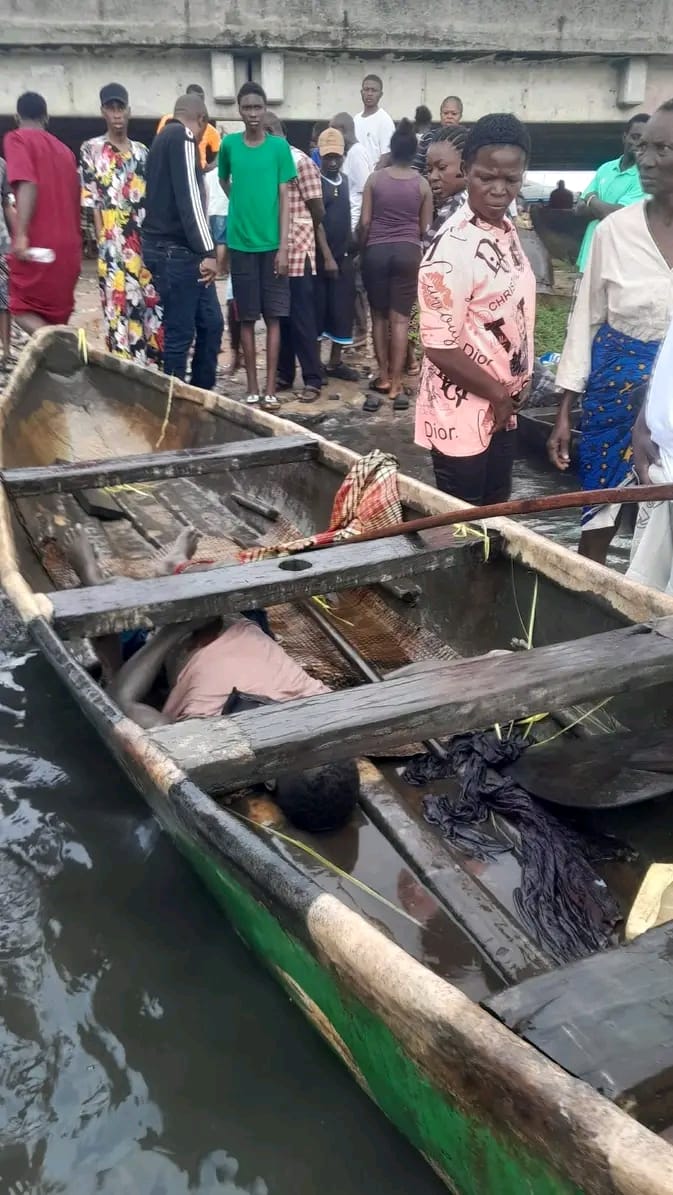
You cannot warm your hands by the same fire that burns your house down. That is the only honest description for what happened at Okari Jetty this week. Over 200 youths from Okrika and nearby areas stormed a loading vessel, tapped a pipeline, and scooped fuel into boats overnight. By dawn, 37 to 43 were dead, choked by fumes, others drowned while escaping. It is a tragedy, and it must be mourned. But it is also a warning we can no longer ignore.
Let’s not sugarcoat it. Tapping a pipeline is theft, the same family as fraud, kidnapping, and armed robbery. Different tools, same mindset: take what isn’t yours because building your own feels too slow or impossible. Poverty explains why some young men consider it. It does not excuse it. Two hundred men didn’t wander to that pipeline at midnight. They went for money that wasn’t theirs. Dozens paid with their lives.
That distinction matters, because mourning won’t stop the next jetty raid, kidnapping, or fraud. Only one thing beats illegal money: legal money a young man can earn with pride. Nigeria’s youth crime in the Delta and beyond isn’t mainly a moral failure. It’s a job crisis dressed as one. Give a man a trade, a skill, a job that pays near what bunkering or “kpofire” pays, and the pipeline loses its shine. Leave him with nothing, and no sermon will compete with quick cash, no matter the funerals that follow.
Here, Okrika Local Government has questions money alone cannot answer. The council receives, by its own records, well over half a billion naira and over a billion in recent months. That is not poverty. That is wealth most councils only dream of. Yet year after year, that money builds roads and offices, but not people. No real skills training. No apprenticeships. No job placement for the thousands of young men with no formal work to wake up to. If we spend over dozens of billions a year and still have no working youth employment program, then “wayward youths” is only half the story. The other half is a wayward budget.
So here is the call, plainly: Okrika LGA must account for where a decade of dozens-of-naira months has gone, and it must commit, publicly and on a timeline, to redirecting a defined share of its monthly allocation toward vocational training, digital skills centres, and job placement specifically for the youths most at risk of ending up at the next illegal tapping point. Not another building commissioning. Not another photo opportunity. A functioning, funded, monitored pathway from idle hands to paid work.
The men who died at Okari Jetty made a fatal, wrong choice, and it should be named as such without flinching. But a government that has had the money to offer them a better choice for years, and did not, carries its own share of what happened on that water. Grief is not enough from either side. Both need to change what they do next.
