


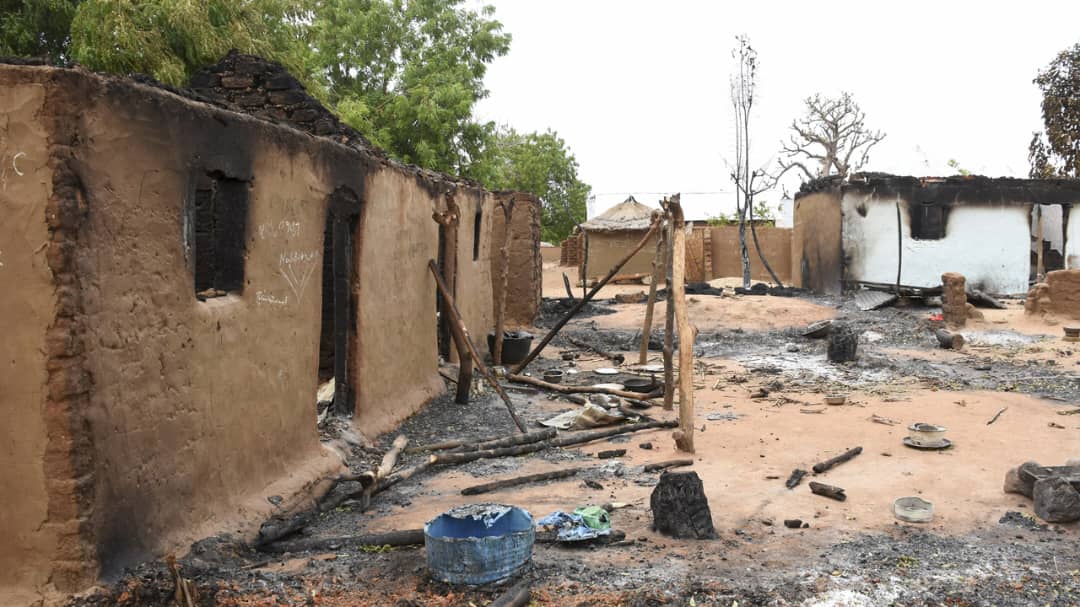
The latest wave of killings in Plateau State has once again exposed one of Nigeria’s most enduring security challenges. The attack which occurred on the night of June 21, 2026, in Kawel community, Mushere District of Bokko Local Government Area, happened as armed men reportedly stormed the village and opened fire on residents.
Reports indicate that the attackers struck late at night, catching many residents off guard while they slept. Casualty figures varied in initial reports, but the Plateau State Police Command later confirmed that at least 20 people were killed, while others sustained injuries. Security personnel subsequently engaged the attackers in a gun battle, forcing them to retreat.
While the immediate focus remains on the tragic loss of lives in affected communities, the broader implications extend far beyond the borders of the state. The incident has reignited concerns about the nation’s ability to protect vulnerable populations, prevent recurring violence, and deliver lasting security solutions.
For years, Plateau State has occupied a troubling position in Nigeria’s security landscape. Despite repeated interventions by successive governments, outbreaks of violence continue to occur with alarming frequency. Each incident follows a familiar pattern: communities come under attack, lives are lost, properties are destroyed, officials issue statements of condemnation, and security deployments are reinforced. Yet the cycle persists.
The latest killings have once again raised critical questions about the effectiveness of existing security strategies and the country’s preparedness to address threats before they escalate into large-scale tragedies.
Beyond the immediate casualty figures lies a deeper humanitarian concern. Every attack leaves behind families shattered by grief, children deprived of parents, and communities struggling to rebuild after devastating losses. In many affected areas, residents face displacement, disrupted livelihoods, and growing uncertainty about their future.
Also see: No One Can Steal Your Manhood, Experts Tell Rivers Residents
Agriculture, which remains a major source of income in many Plateau communities, often bears the brunt of prolonged insecurity. Farmers abandon their lands out of fear, food production declines, and local economies suffer. The consequences are felt not only within the state but also across regions that depend on agricultural output from affected communities.
The recurring violence also carries significant implications for national cohesion. Plateau State has long been recognized as one of Nigeria’s most diverse regions, bringing together various ethnic, cultural, and religious groups. Persistent insecurity threatens this coexistence and undermines efforts to strengthen unity in a country already grappling with multiple social and economic pressures.
Perhaps the most pressing concern is the growing perception that violent attacks have become recurring events rather than exceptional tragedies. As incidents continue to occur despite security assurances, public confidence in the state’s capacity to guarantee safety inevitably comes under scrutiny.
This is why the latest killings should not be viewed solely as a Plateau State issue. They represent a broader national security challenge that demands comprehensive and sustained action. Addressing the problem requires more than emergency deployments after attacks have occurred.
The effectiveness of any security framework is ultimately measured not by its response after lives have been lost, but by its ability to prevent such losses from occurring in the first place.
As the nation mourns the victims of this latest tragedy, Nigerians are looking beyond expressions of sympathy. They are seeking evidence that meaningful steps are being taken to break a cycle of violence that has persisted for far too long.
