


Bus conductors in Rivers State have been urged to embrace civility, patience, and honesty in the discharge of their duties as part of efforts to improve safety and professionalism in the transport sector.
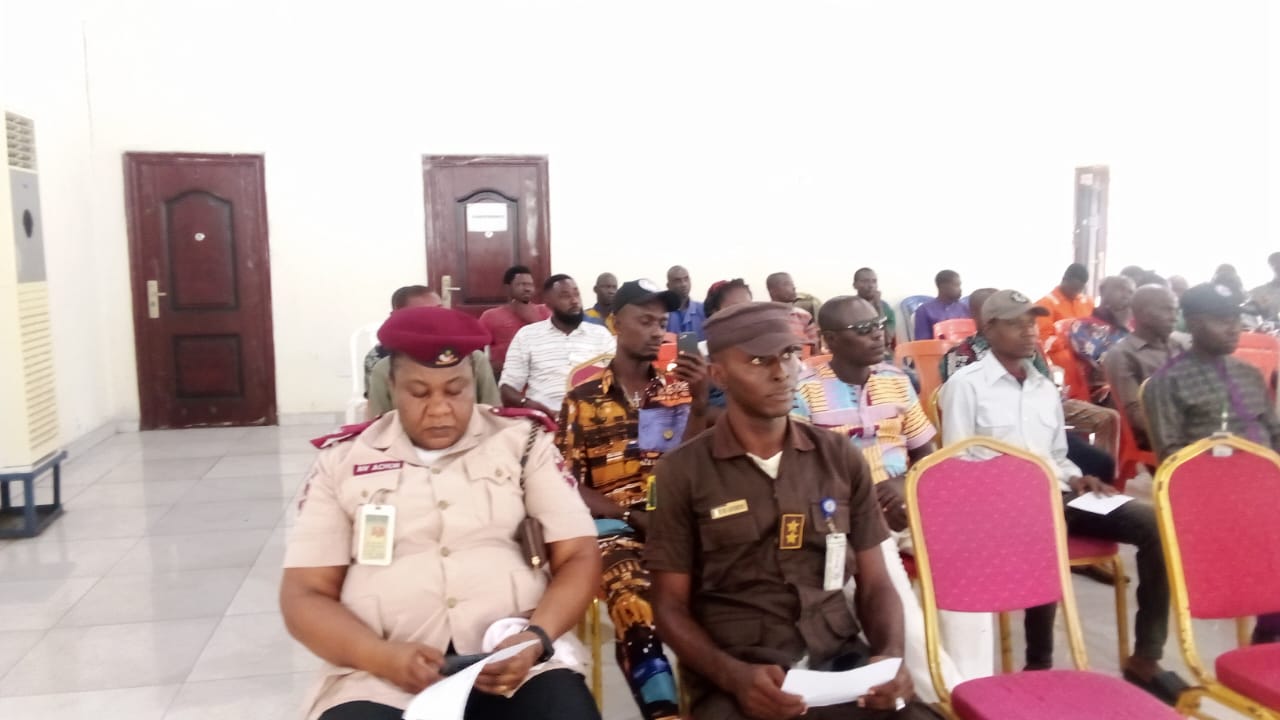
The call was made during a two-day maiden workshop for bus conductors organised by the Bus Conductors Association of Nigeria (BCAN), Rivers State chapter, in partnership with the Rivers State Ministry of Transport. The training, held on Wednesday, June 3, 2026, in Port Harcourt, focused on improving conductors’ behaviour, safety awareness, and service delivery.
Delivering a keynote lecture titled “Safety and Security of Passengers,” the Head of Department at the Ministry of Transport, Engr. Dagogo Inimgba stressed the critical role conductors play in ensuring passenger safety. He warned against psychosocial abuse, noting that conductors’ words and actions could significantly impact passengers.
He emphasized that conductors should not be perceived as touts but as professionals whose duties are comparable to those of customer service personnel. Inimgba also proposed the enactment of laws to regulate the activities of conductors and ensure proper identification of accredited members.
According to him, road safety encompasses not only the condition of vehicles but also the well-being of drivers, passengers, pedestrians, and the environment. He urged conductors to identify hazards, avoid risky behaviour, and contribute to safer transport systems.
Also speaking, the Director of Administration in the Ministry of Transport, Aaron Ebere, reiterated the state government’s commitment to promoting professionalism in the transport sector through capacity-building initiatives.
Also Read: http://NDDC Vows Stronger Legal Partnership for Niger Delta Growth
She noted that conductors play a vital role in shaping public perception of the industry and called for adherence to traffic regulations and ethical conduct.
Rivers State Traffic Commander, Chief Superintendent of Police, Ameh Akor, described conductors as assistants to drivers and urged them to maintain discipline and integrity. He cited complaints of misconduct, including theft, fare diversion, and public altercations, expressing optimism that the association would help curb such practices.
Akor further stressed the need for proper profiling of conductors, including background checks and guarantor systems, to enhance accountability and security. He also advised conductors to remain vigilant and report suspicious activities, noting that they serve as the “eyes” of drivers and security agents on the road.
Similarly, Chief Route Commander of the Federal Road Safety Corps in Rivers State, Uzoma Jamaica, underscored the importance of professionalism and emotional control. He advised conductors to avoid confrontations with passengers and maintain composure even under provocation.
He also raised safety concerns about conductors standing in moving vehicles, recommending that operators provide designated seats for them to reduce risks.
In his remarks, Chairman of BCAN in Rivers State, Comrade Tami Batubo, said the workshop was aimed at reorienting conductors and changing negative public perceptions that label them as touts. He added that the association plans to introduce identification cards and uniforms to distinguish registered conductors.
Batubo noted that the association is also working towards collaboration with driver unions and relevant stakeholders to strengthen safety and professionalism in the sector.
On his part, the National Project Committee Chairman of BCAN, Ibrahim Osrinola, disclosed that the initiative is part of a nationwide programme approved by the Federal Ministry of Transport to register conductors and create a database for improved security.
He explained that proper documentation and identification of conductors would help curb crime in the transport system and enhance collaboration with security agencies.
The workshop attracted stakeholders from the transport sector and representatives of security agencies, all of whom emphasized the need for sustained training and regulation to improve service delivery and ensure safety on the roads.
