


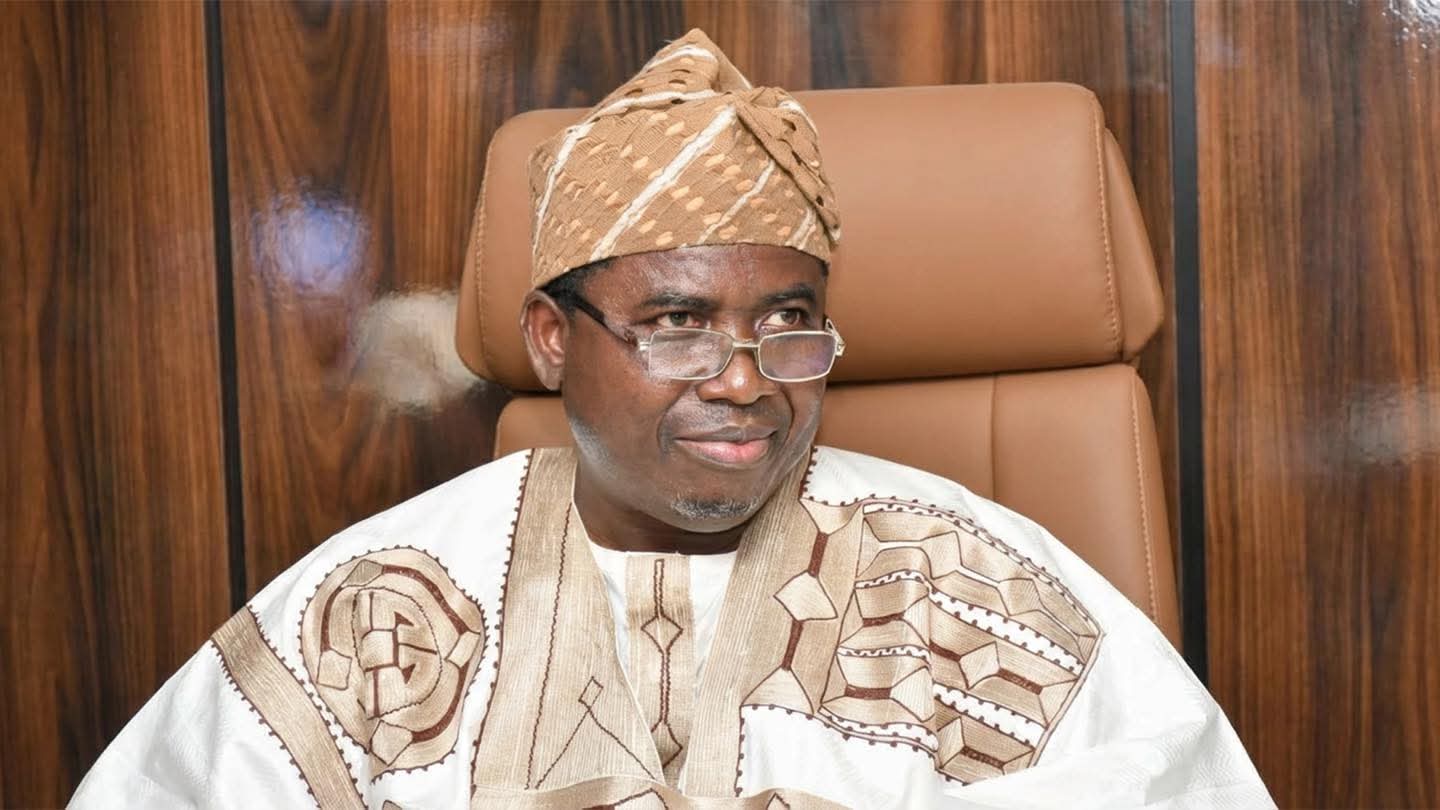
Amendments to the existing Electoral Act have been suggested by the Chairman of the Independent National Electoral Commission (INEC), Joash Amupitan.
He wants to close loopholes in the existing laws to increase the credibility of the Nigerian voting process.
As the keynote speaker at the official launching of “Shadows”—the two-volume book written by the Managing Director of THISDAY Newspaper, Eniola Bello, about the experiences of Nigeria in the Fourth Republic (1999-2023).
At the launch, Amupitan listed the changes in the legislation that are necessary for ensuring electoral stability.
These proposals are the result of the enactment of the 2026 Electoral Act that was signed by the president of the country, Bola Tinubu, on February 18, 2026. Although the Act included around 154 provisions, it provoked much discussion in the public because Clause 60 made electronic result transmission voluntary.
To avoid party fraud, Amupitan proposed that political parties would be obliged by law to settle their internal disagreements at least one year before general elections.
There are some other key points in the operations that are not provided in the existing legislation.
It was emphasised that measures should be put in place to ensure that there is early submission of party candidates’ lists, specific timelines for acquisition of sensitive and insensitive voting materials and testing of technology equipment before the elections.
Responding to some of the problems encountered in previous electioneering exercises, including voter intimidation and vote buying, he affirmed that his agency would ensure that a clean, free and credible general election is held in 2027.
The INEC Chairman further announced an operating modification that seeks to end disputes in the result collation process.
According to him, the commission has ordered that all numerical differences or irreconcilable figures be sorted out at the polling unit level before sending them for collation at centralised collation centres.
