


Civil society organisations and International environmental advocates have renewed calls for a comprehensive remediation exercise across the Niger Delta, describing the current efforts as insufficient to tackle the region’s massive pollution crisis.
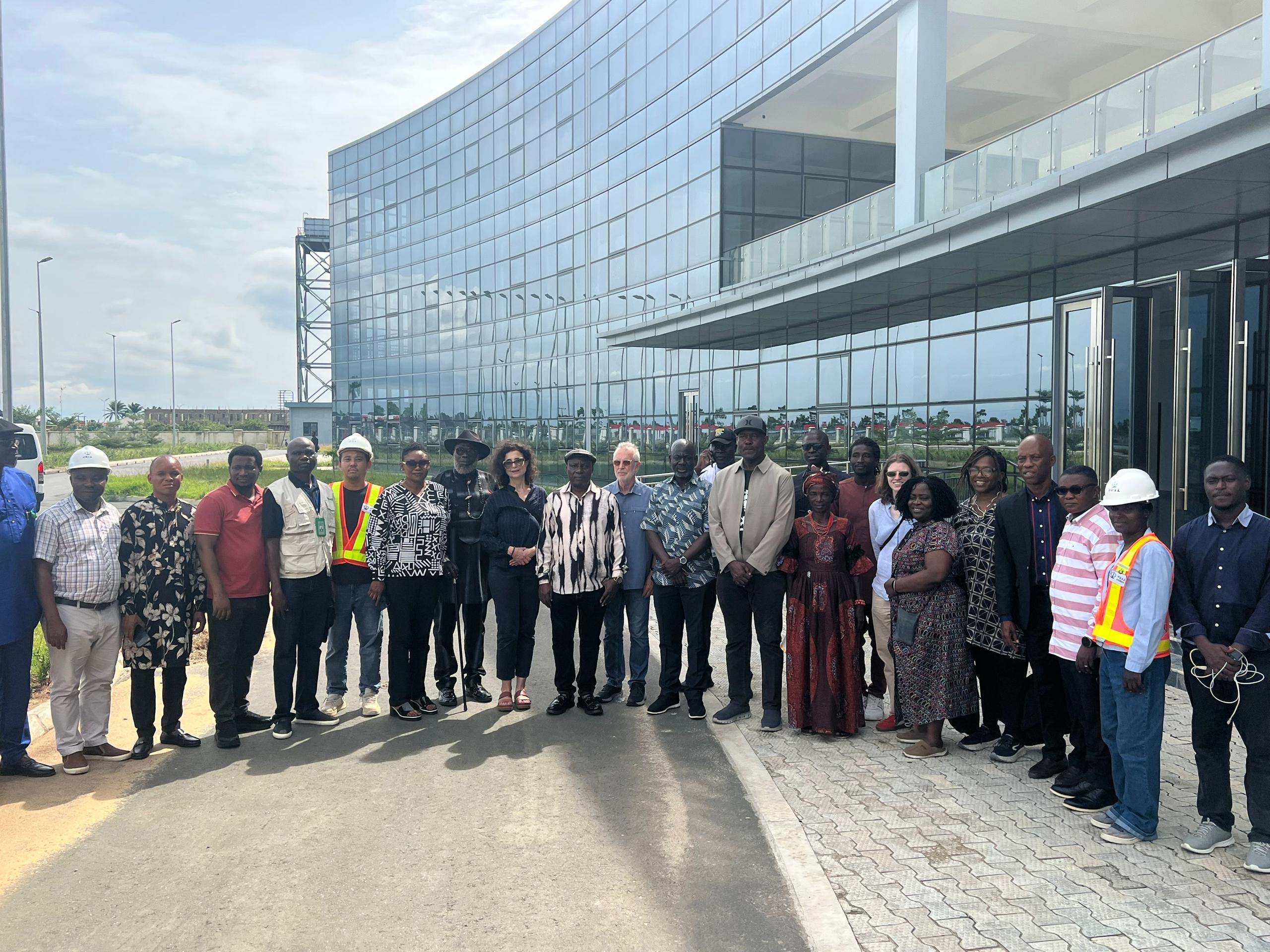
The groups made the demand after an assessment visit to project sites of the Hydrocarbon Pollution Remediation Project (HYPREP) in Ogoniland, Rivers State on Tuesday 26 May 2026 where they evaluated progress on the implementation of the United Nations Environment Programme (UNEP) recommendations.
Dr Isaac Osuoka, representative of the International Working Group on Petroleum Pollution and Just Transition in the Niger Delta, who led the delegation, acknowledged visible improvements in mangrove restoration and land remediation in some Ogoni communities. However, he stressed that much more work remains.
Also Read: http://APC Presidential Primary: Tinubu Sweeps All Votes in Rivers
“There is no part of the world as polluted as the Niger Delta. What we are seeing in Ogoni should be replicated in Bayelsa, Delta, Akwa Ibom and other impacted communities,” Osuoka said.
He added that international oil companies must remain accountable for decades of environmental damage, regardless of recent asset transfers.
Professor Anna Zalik of York University, Canada, described the ongoing remediation in Ogoni as encouraging but emphasised the need for sustained long-term commitment.
“It’s really inspiring to see the commitment to remediation in the area. This is a very extensive work that will require commitment by government, the international community, and particularly the international oil companies,” she said.
Convener of the International Working Group, Mrs Kathryn Nwajiaku-Dahou, expressed satisfaction with the mangrove restoration projects but noted that interventions in Ogoni represent only a fraction of the wider crisis. She called for increased funding to address pollution across the region.
The delegation also inspected HYPREP’s water projects, the 100-bed Ogoni Specialist Hospital in Kpite, the Independent Power Project in Wiiyaakara, and the Centre of Excellence for Environmental Research.
