


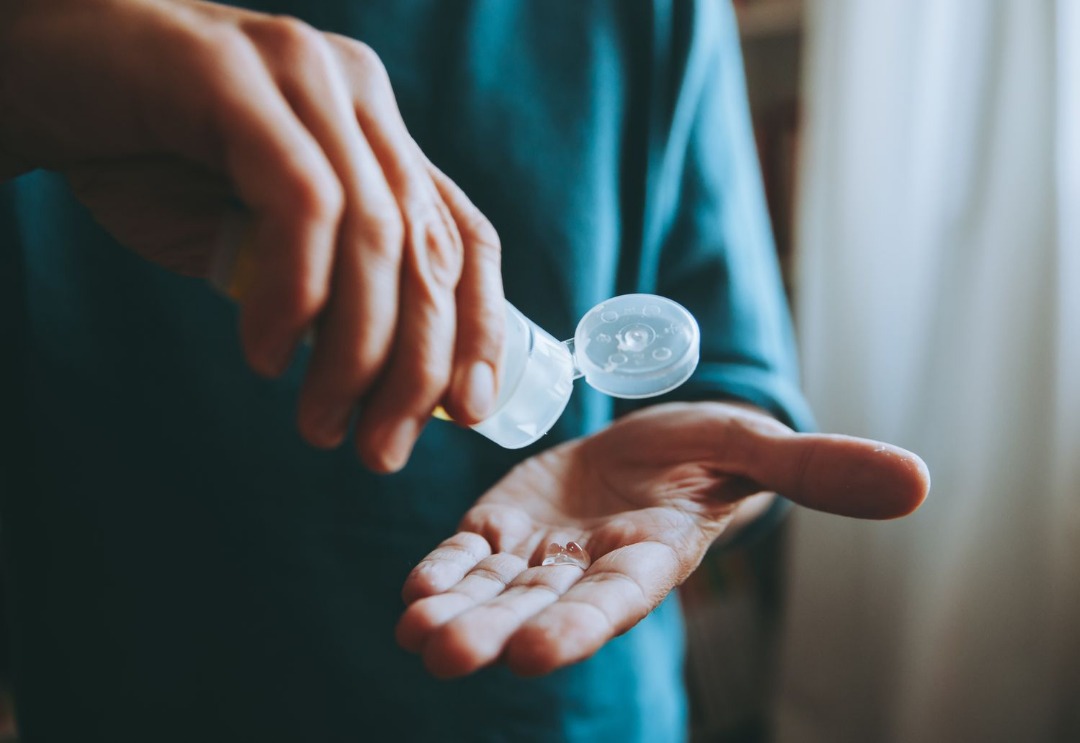
Nigeria’s booming sexual wellness market is facing a growing health concern as many people unknowingly use unregulated sexual lubricants linked to genital injuries and infections. Health experts warn that fake, poorly mixed, and unapproved lubricants—widely sold online, in markets, and by informal vendors—are causing severe reactions among users.
Doctors report rising cases of chemical burns, irritation, peeling skin, swelling, foul discharge, painful urination, and slow-healing wounds. Tests show that many of these products contain harsh chemicals like menthol, industrial solvents, bleaching agents, or unsafe gels that damage sensitive genital tissues, especially during intercourse.
Some of these unsafe lubricants also weaken condoms, increasing the risk of STIs and unplanned pregnancies.
Shame and stigma around buying lubricants openly drive many Nigerians to cheaper, unlabelled products sold secretly through social media vendors. These sellers often promote “last longer gels” or “pleasure enhancers” without any safety testing.
Read more:Maternal Deaths Remain High in Nigeria
Experts emphasise that safe lubricants should be medically approved—water-based, silicone-based, or specific oil-based types. Using substitutes like saliva, petroleum jelly, baby oil, or body creams also exposes users to infections and irritation, and can damage condoms.
NAFDAC continues to warn against products without approval numbers, stressing that no genuine lubricant is produced in informal settings. They urge citizens to verify NAFDAC numbers and report suspicious items.
Advocates say the rising cases highlight a bigger issue: the lack of affordable, safe sexual wellness products in Nigeria. High prices push consumers toward risky alternatives.
Experts call for stronger regulation, better public education, and wider access to safe lubricants to prevent avoidable harm. Intimacy should be safe and comfortable—yet the wrong product can quickly turn it into a painful health crisis.
