


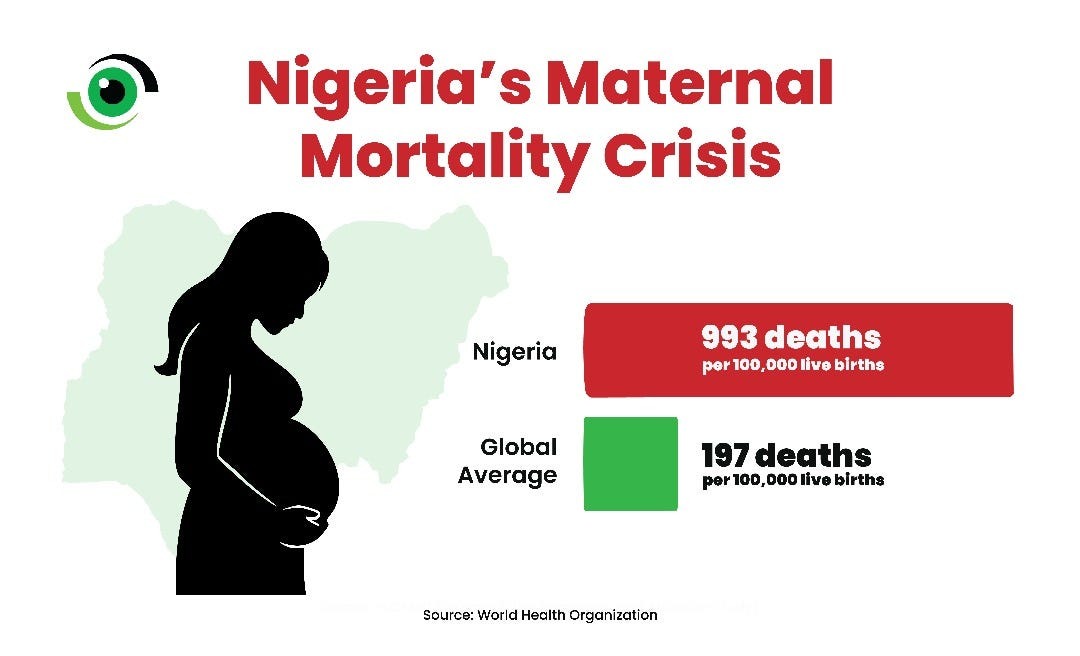
Nigeria continues to struggle with one of the highest maternal mortality rates globally, as long-standing gaps in emergency care, skilled birth attendance, and access to quality health services persist. Hospitals report recurring preventable deaths, especially in rural and underserved communities.
Most maternal deaths stem from complications like postpartum hemorrhage, obstructed labour, eclampsia, and infections—conditions that are treatable with timely medical support. However, many women arrive late due to transport delays and the absence of functional emergency response systems.
Facility-level challenges worsen the situation. Many primary health centres operate without essential equipment, blood supplies, skilled midwives, or steady electricity, forcing health workers to improvise during critical procedures. The continued migration of medical professionals has also widened staffing gaps nationwide.
Read also:Nigeria Faces Worsening Blood Shortage
Traditional birth attendants remain a common first option for many women, but their limited clinical training means complications often reach hospitals too late. Economic hardships further delay antenatal care, leaving serious conditions undetected until labour.
The government has introduced initiatives such as upgrading obstetric centres, training midwives, and community outreach programs. But experts say the efforts need stronger funding, broader coverage, and consistent implementation.
Public health advocates recommend strengthening primary healthcare systems, integrating birth attendants into formal referral networks, expanding health insurance for pregnant women, and improving ambulance availability.
Until systemic barriers are addressed, health professionals warn that preventable maternal deaths will continue to threaten families across the country.
