


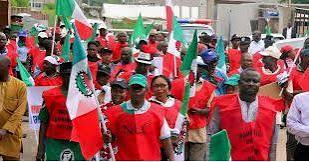
The renewed dispute between organised labour and the Federal Government over petrol prices and workers’ wages is another reminder that economic reforms mean little to ordinary Nigerians if they cannot afford the necessities of life.
Following the failure of talks on October 22, the Nigeria Labour Congress (NLC) has warned of possible nationwide industrial action if its demands are not addressed. The next meeting is scheduled for October 27, with labour seeking a reduction in petrol prices, a review of the minimum wage and the implementation of outstanding agreements with workers.
At the heart of this dispute is a simple question: how long can Nigerian workers continue to bear the burden of rising living costs while their earnings struggle to keep pace?
The minimum wage was increased to ₦70,000 in 2024, but the reality facing many workers has changed considerably. Petrol prices affect transport fares, food distribution, business operations and the cost of basic services. When these expenses rise, the value of a worker’s salary falls, regardless of the amount printed on the payslip.
For a worker who spends a substantial part of monthly earnings on transport, rent, food and school fees, the argument over wages is not merely about figures. It is about survival.
The Federal Government has defended its economic reforms, including the removal of the petrol subsidy, as necessary steps towards improving public finances. But reforms cannot be judged by government revenue or economic statistics alone. Their impact on ordinary households must also count.
If subsidy removal frees resources for development, Nigerians deserve clear evidence of how those savings are being used and how the benefits will reach the people bearing the immediate costs.
At the same time, labour must recognise that reducing petrol prices and increasing wages involve difficult economic decisions. Demands should be accompanied by practical proposals, and any negotiated agreement must be realistic, transparent and sustainable. However, these considerations should not become excuses for endless delays.
The failure of the October 22 meeting to produce concrete commitments is disappointing. Government representatives must come prepared to negotiate with the authority to make decisions. Repeated meetings without measurable progress will only deepen workers’ frustration.
A nationwide strike would also carry consequences for businesses, hospitals, transport services and the wider economy. That is why both parties must treat the October 27 meeting with the seriousness it deserves.
The government should present a credible plan for addressing petrol prices, reviewing wages and implementing outstanding agreements. Labour, in turn, should remain open to meaningful dialogue while protecting workers’ legitimate interests.
Nigerians are tired of being told to endure hardship without a clear picture of when relief will come. Economic reform should improve lives, not leave citizens permanently adjusting to the next price increase.
The government must understand that patience is not the same as prosperity. Workers cannot live on promises, and an economy cannot thrive when those who sustain it struggle to meet their basic needs.
