


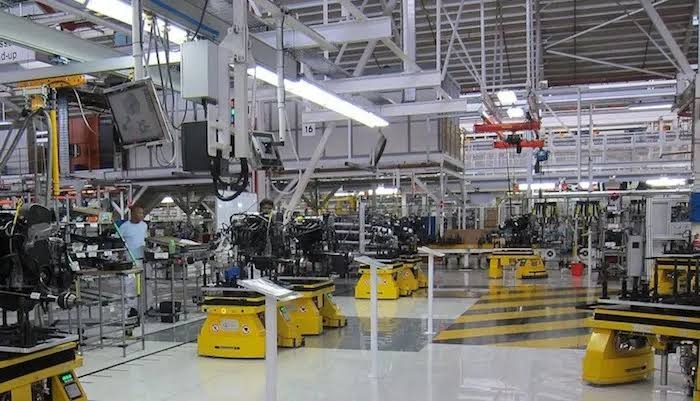
Nigerian manufacturers spent a total of ₦3.231 trillion on alternative energy sources between 2023 and 2025 as unreliable electricity supply and rising energy costs continued to undermine industrial productivity.
Data presented by the Manufacturers Association of Nigeria (MAN) showed that spending increased from ₦781.68 billion in 2023 to ₦1.11 trillion in 2024 and ₦1.34 trillion in 2025, representing a 71.4 per cent increase over the period.
The association warned that the rising cost of alternative power was diverting funds that could have supported factory expansion, equipment upgrades, research and technological development.
Speaking at MAN’s 54th Annual General Meeting in Lagos, the association’s immediate past president, Otunba Francis Meshioye, identified energy costs as a major challenge, noting that electricity and related expenses account for about half of manufacturers’ overhead costs.
He said unreliable public power supply, inadequate energy infrastructure and high electricity prices had imposed a significant financial burden on manufacturers, forcing many to rely on self-generated electricity to sustain operations.
Meshioye warned that the growing expenditure was eroding profitability and discouraging investment in the sector.
Read Also: dangote-refinery-extends-ipo-offer-by-two-weeks-available-till-october-27
“History offers no example of an industrialised nation whose factories are powered principally by privately-generated electricity,” he said.
The development comes amid a reported slowdown in industrial growth. According to the figures presented, industrial growth declined from 7.46 per cent in the second quarter of 2025 to 3.96 per cent in the corresponding quarter of 2026, while manufacturing’s contribution to national output fell from 9.57 per cent in the first quarter of 2025 to 7.72 per cent in the second quarter of 2026.
Former Director-General of the United Nations Industrial Development Organisation, Dr Kandeh Kolleh Yumkella, said addressing Nigeria’s electricity challenges was essential to the country’s ambition of becoming Africa’s industrial hub.
Yumkella cited estimates indicating that unreliable electricity costs Nigeria between ₦7 trillion and ₦10 trillion annually, equivalent to five to seven per cent of gross domestic product.
He added that high energy costs reduce factory capacity utilisation, weaken competitiveness and limit investment in domestic production.
According to him, improving electricity supply would lower production costs, promote local value addition, attract investment and create employment opportunities for Nigeria’s growing population.
The figures have renewed calls for comprehensive reforms in the power sector, with manufacturers seeking reliable and affordable electricity to reduce dependence on costly alternative energy sources and strengthen the country’s industrial base.
