


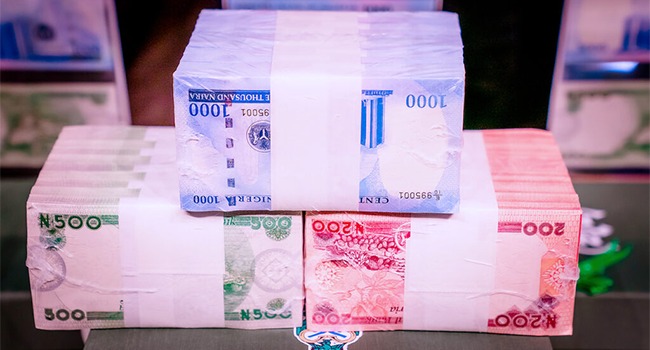
The naira was among the more resilient African currencies in the second quarter of 2026, despite heightened exchange-rate pressures triggered by geopolitical tensions, rising energy prices and stronger demand for the US dollar, according to the World Bank.
The World Bank, in its October 2026 Africa Economic Update, said the naira’s maximum depreciation between March and June was 2.6 percent, significantly lower than the losses recorded by several other African currencies during the period.
Ghana’s cedi recorded the steepest decline among the currencies highlighted by the bank, falling by as much as 10 percent. The currencies of South Africa, Lesotho, Namibia and Eswatini depreciated by up to 7.2 percent, while the Democratic Republic of Congo and Uganda recorded maximum declines of 6 percent and 5 percent, respectively.
The World Bank assessed exchange-rate movements across 22 African countries outside the CFA franc zone, comparing their performance with levels recorded before the escalation of the Middle East conflict.
The naira subsequently regained some of its lost ground. By August, it had strengthened by 1.9 percent from its March-to-June low, placing it among the currencies that recovered after the period of heightened market pressure.
Its recovery compared favourably with several regional peers. Ghana’s cedi remained 2.5 percent below its end-February level by August, while Uganda’s currency was still down 3.1 percent. South Sudan recorded one of the largest remaining declines at 5.5 percent.
Overall, only 10 of the 22 currencies the World Bank monitored remained weaker than their end-February levels by the end of August.
The World Bank attributed part of the naira’s relative resilience to Nigeria’s status as a major crude oil exporter.
Read Also: fg-clears-n758bn-pension-backlog-pays-957045-beneficiaries
Higher oil prices boosted export earnings and foreign-exchange inflows for oil-producing economies such as Nigeria and Angola, providing some support for their currencies amid broader pressure across African markets.
For countries heavily dependent on imported fuel and other energy products, however, higher global energy prices increased foreign-exchange demand and placed additional pressure on external balances.
Factors beyond energy prices also drove the currency sell-off across several African markets. The World Bank identified stronger demand for the US dollar, capital outflows from emerging and frontier markets, and concerns over the rising cost of servicing dollar-denominated debt as key contributors to the pressure on African currencies.
The naira’s relative stability comes against the backdrop of an improving outlook for the Nigerian economy. The World Bank raised its 2026 growth forecast for Nigeria to 4.3 percent, up from an estimated 4 percent expansion in 2025.
It projects growth of 4.4 percent in both 2027 and 2028, citing greater macroeconomic stability, stronger investor confidence and a gradual recovery in private investment.
However, the bank warned that both currency stability and economic growth remain vulnerable to several risks, including tighter global financial conditions, a prolonged Middle East conflict, insecurity, climate-related shocks, disruptions to crude oil production and increased government spending ahead of the 2027 elections.
The World Bank urged Nigeria to sustain its economic reforms and strengthen its policy buffers to safeguard the gains made in macroeconomic stability.
For the naira, the latest assessment represents a notable shift from the severe exchange-rate volatility witnessed in earlier periods. However, the World Bank’s warning suggests that sustaining the currency’s recent resilience will depend on Nigeria’s ability to maintain foreign-exchange inflows, strengthen fiscal and monetary buffers, and effectively manage external shocks.
