


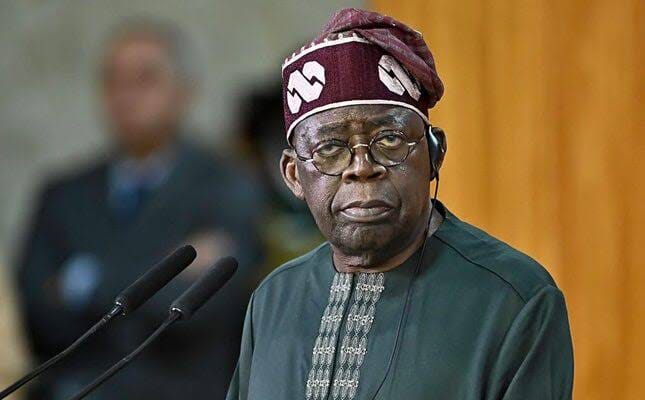
The question of how Nigerians really feel about President Bola Tinubu has become harder to ignore as the country moves closer to another election season.
The latest spark came from The Economist, whose assessment of Nigeria’s political climate painted a picture of growing dissatisfaction with the President. But the Presidency has rejected that narrative, describing the publication’s assessment as misleading and accusing it of failing to properly understand the realities of Nigeria.
And this is where the debate becomes interesting.
There is no denying that Tinubu’s administration has faced serious public criticism. The removal of the petrol subsidy, rising living costs, food prices and the pressure on household incomes have made the President a difficult figure for many Nigerians to embrace.
But dissatisfaction with economic hardship does not automatically mean Nigerians have completely rejected Tinubu.
The government’s argument is that some of its reforms were introduced to address problems that had existed for years. Tinubu has continued to defend the decisions, pointing to efforts to improve government revenue, attract investment and strengthen the economy.
The real test, however, is whether ordinary Nigerians eventually feel the benefits of those reforms.
That distinction matters because political popularity is rarely as simple as saying people either love or hate a President. A trader struggling with food prices, a young person looking for a job and an investor seeing new opportunities may all have very different opinions about the same government.
With 2027 approaching, the argument over Tinubu’s popularity is likely to become even louder. The Presidency may reject the idea that Nigerians have turned against the President, but the opposition will almost certainly use the country’s economic frustrations as evidence that voters are ready for change.
