


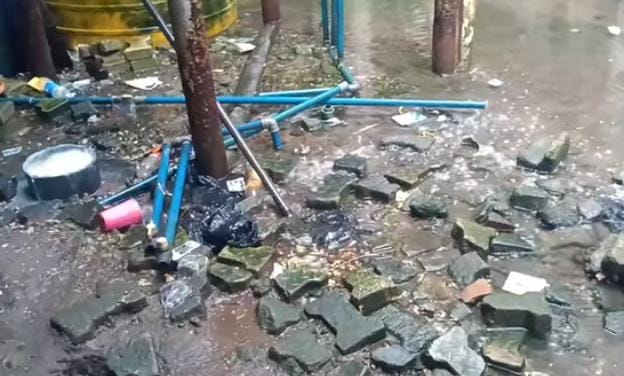
Bille Kingdom has not even finished burying its grief before another emergency arrived. Joy Amos is gone. Now Deborah Orlando, a teacher at State School One, who collapsed after simply opening her classroom window and breathing in what residents believe was gas from the surrounding environment. Two names, two incidents, one unresolved crisis, and a community that has barely had time to mourn before being asked to be afraid again.
This is the part of the story that should stop us cold: Miss Orlando did not encounter danger in a remote creek or an industrial site. She encountered it in a classroom, yesterday, doing the most ordinary thing a teacher does, letting in fresh air for her pupils.
That the air itself may be the threat tells us how far this crisis has spread into daily life. If a school window can no longer be opened safely, then no space in Bille can be assumed safe, not classrooms, not homes, not the paths children walk to get there.
That should terrify us more than it apparently has terrified anyone with the power to act.
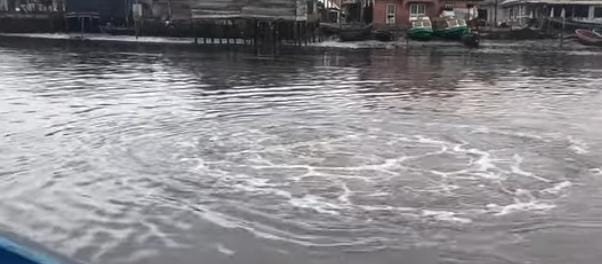
Grief and danger are now arriving in the same breath in Bille, and that compounding is its own kind of injury. Communities need time to process loss, to bury their dead, comfort their families, return to some rhythm of normal life.
Bille has been denied that basic mercy. Instead, mourning has been interrupted by a second emergency, and that interruption is a failure as much as the gas itself is a failure, a failure of whoever was supposed to make sure Joy Amos’s death was the last one.
Also Read: http://Speed Darlington Threatens to Fight Burna Boy If They Meet
Schools, in particular, cannot be treated as an afterthought in this response. Teachers and pupils spend hours a day in these buildings, often with limited ventilation options and even less control over what’s happening in the air outside.
If State School One is unsafe today, there is no reason to believe it will be safe tomorrow without deliberate intervention, air quality checks, temporary relocation of classes if needed, and a clear protocol for what staff and students should do if symptoms appear again.
None of this requires a long investigation to begin. It requires urgency, and urgency is precisely what has been missing. Two names in, Bille does not need another statement of concern, it needs emergency responders on the ground, a public account of what is causing this exposure, and protective measures for schools while the deeper environmental problem is addressed.
Bille is not asking for the impossible. It is asking to grieve without being made afraid, and to send its children to school without wondering if the air itself is the enemy. That is the least any community should be able to expect. Right now, Bille cannot expect even that, and that is the emergency inside the emergency.
