


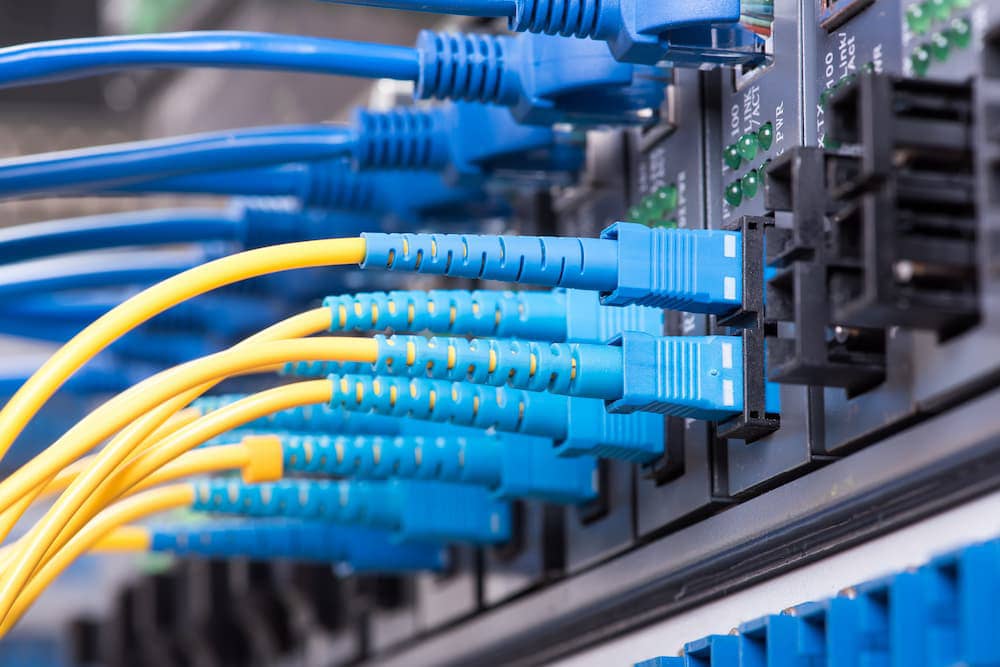
Nigeria’s digital infrastructure is facing a growing threat from the same road construction projects meant to improve physical connectivity. More than 5,000 fibre-optic cable cuts were recorded across the country in the first half of 2026, with road construction and excavation activities identified as major causes.
The development has raised concerns over the reliability of Nigeria’s telecommunications infrastructure, particularly as the country increasingly depends on stable internet connectivity for banking, businesses, education, government services and everyday communication.
Fibre-optic cables form a critical part of Nigeria’s internet infrastructure, carrying large volumes of data across cities and regions. When these cables are damaged, the impact can extend beyond telecommunications companies to millions of users who depend on their networks.
The Nigerian Communications Commission (NCC) has consequently urged road contractors, construction companies and other stakeholders to take greater precautions when carrying out excavation and road expansion projects. Proper identification and protection of existing fibre routes, the commission stresses, are necessary to reduce repeated disruptions.
Also see: Cristiano Ronaldo Officially Ties Knot With Longtime Partner Georgina Rodriguez
The situation exposes the coordination problem in Nigeria’s infrastructure development. Road projects and telecommunications networks often occupy the same spaces, yet inadequate information-sharing and planning can result in newly constructed roads damaging already-existing communication infrastructure.
Beyond the immediate cost of repairs, repeated fibre cuts can undermine investment in broadband expansion and affect businesses that rely on dependable connectivity. For a country seeking to strengthen its digital economy, such disruptions carry economic consequences.
The 5,000-plus cuts therefore point to the need for better coordination between government agencies, telecommunications operators and construction contractors. As Nigeria expands its road network and digital infrastructure simultaneously, development in one sector should not repeatedly compromise another.
