


Hypertension has been described as a “silent killer,” with a prevalence rate of 27.4 percent in the West African region, health experts have revealed.
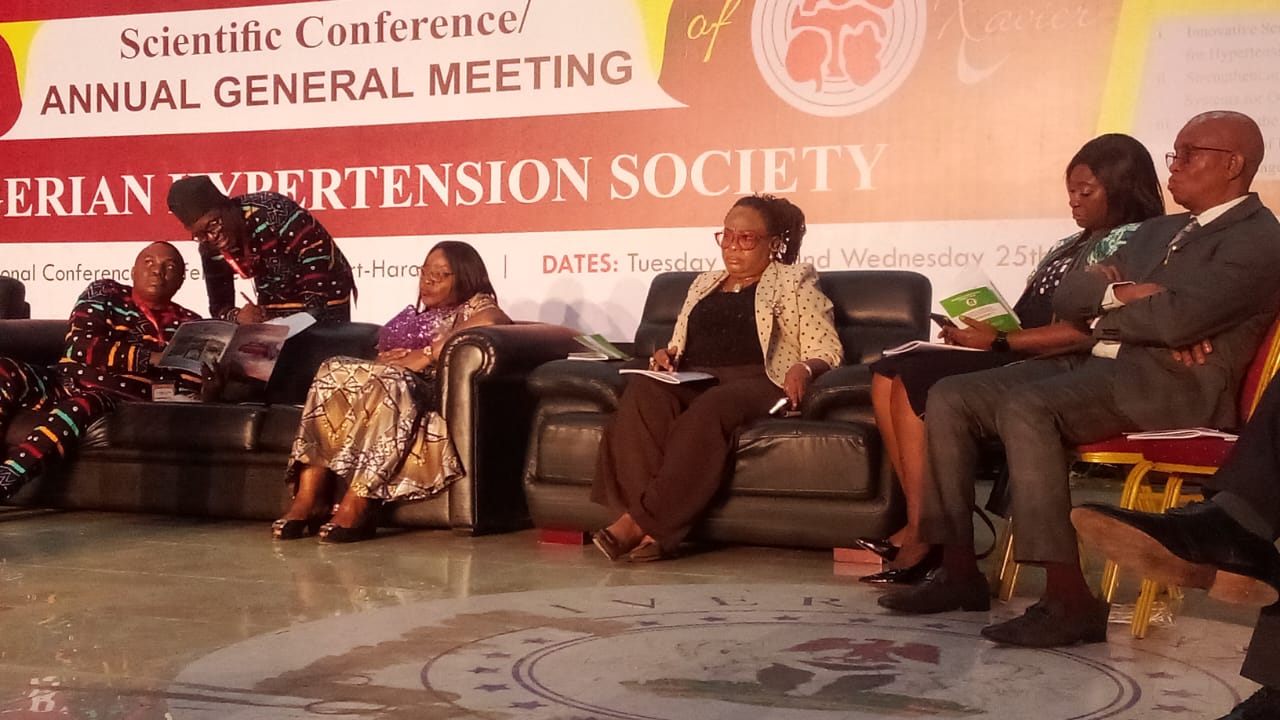
This was disclosed by Professor Babatunde Salako, a physician and nephrologist at the College of Medicine, University of Ibadan and University College Hospital, Ibadan, during a lecture titled “Six Decades of Hypertension Research in Nigeria: Lessons, Insights, and Future Directions.” The presentation was delivered at the 26th Scientific Conference and Annual General Meeting of the Nigerian Hypertension Society in Port Harcourt.
Professor Salako explained that hypertension remains one of the most formidable health challenges globally, despite decades of research and public awareness campaigns. He noted that the condition primarily affects four major organs the heart, brain, eyes, and kidneys often leading to severe complications if left unmanaged.
According to him, hypertension cuts across all socioeconomic groups, affecting both the rich and the poor. Globally, prevalence rates range between 10 and 40 percent depending on the region.
In the Americas, it stands at about 17.6 percent and is projected to decline to 14.8 percent by 2040, while Europe records about 43.2 percent with expected reductions in the coming years. Asia has a prevalence of 25.1 percent, which is projected to rise slightly by 2040.
He described the African situation as particularly concerning, noting that earlier studies in the early 20th century suggested cardiovascular diseases were rare among native populations.
However, subsequent research revealed that hypertension is now a major public health concern across the continent, affecting nearly one-third of adults. Regional data show prevalence rates of 33.3 percent in North Africa, 21.1 percent in Central Africa, 27.4 percent in West Africa, and 34.6 percent in Southern Africa.
Also see: 8-Year-Old Girl Chairs Bonny Local Government Area for a Day
Also speaking, the President of the Nigerian Hypertension Society, Professor Simeon Isezuo, said hypertension affects one in three adults in Nigeria. He added that about half of those living with the condition are unaware of their status, while fewer than two in ten diagnosed patients have their blood pressure under control.
He described hypertension as a major driver of non-communicable disease-related deaths in the country, noting that it contributes significantly to cases of stroke, heart failure, and kidney disease.
Professor Isezuo emphasized the need for innovative screening strategies, stating that healthcare providers must move beyond hospital-based care to community-focused interventions. He identified churches, mosques, markets, schools, parks, and workplaces as critical points for blood pressure screening.
He also called for strengthened primary healthcare systems, task-sharing among healthcare workers, and the use of technology such as SMS reminders to improve patient follow-up and adherence to treatment.
Highlighting the economic burden, he noted that treating complications of hypertension is significantly more expensive than managing the condition early. According to him, the cost of treating heart failure, stroke, and kidney failure can be three to 35 times higher than managing uncomplicated hypertension.
Chairman of the Local Organising Committee, Professor Chizindu Alikor, described hypertension as one of the most pressing public health challenges of modern times, stressing the need for collective action to reduce its impact.
He said the conference, themed “Achieving Blood Pressure Targets for Improved Outcomes: Transforming Hypertension Care in Nigeria,” aims to provide a platform for experts to share knowledge, explore innovative solutions, and improve hypertension care across the country.
Our correspondent report that the conference was attended by healthcare professionals, researchers, and policymakers to address gaps in diagnosis, treatment, and long-term management of hypertension in Nigeria.
