


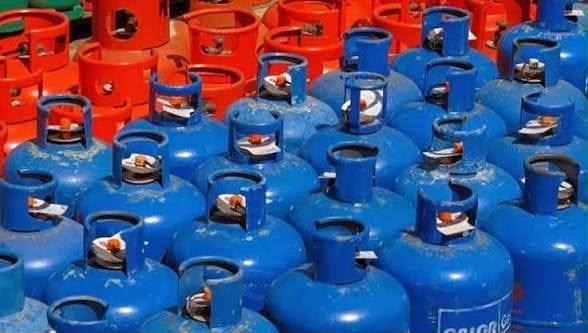
The Federal Government has initiated a crackdown against marketers engaging in hoarding and diversion of Liquefied Petroleum Gas (LPG) also known as cooking gas due to the recent price hike.
The Federal Government thus directed the Nigerian Midstream and Downstream Petroleum Regulatory Authority (NMDPRA) and all other necessary regulatory bodies to monitor the activities in the market and investigate cases of any mischief by marketers.
This directive was released by the Minister of State for Petroleum Resources (Gas) Ekperikpe Ekpo during an emergency stakeholders’ meeting on increasing cost of LPG.
During the emergency meeting, all stakeholders in the sector were represented including regulators, producers, marketers among others.
Some of the causes of the increase in price according to the authorities are related to global and domestic issues ranging from supply problems due to conflict between Israel and Iran, variation in international prices and weaknesses in the domestic supply system among others.
As a result, the minister appealed to the NMDPRA to cooperate with Nigeria LNG Limited (NLNG) and other indigenous suppliers to facilitate increased local production and better market organization. Elimination of distribution hurdles was also required to stabilize prices.
Moreover, Ekpo instructed depot and terminal owners to provide information on the availability of the product and loading schedule, and marketers and importers to step up supplies, prevent speculative stockpiling, and practice reasonable pricing.
Security forces, such as DSS, EFCC, and the Nigerian Police have also been asked to assist regulators in curbing any illegal operations involving diversion, hoarding, and unauthorized storage of liquefied petroleum gas.
It should be noted that it is essential for all stakeholders to ensure delivery of the product to end users without unnecessary losses and at affordable prices.
The government renewed its promise that it will monitor the situation closely, ensure consumer protection, and build up Nigeria’s domestic LPG sector. Efforts are ongoing to implement an LPG blending program within the country, which will help reduce logistics costs and provide supply stability.
It is believed that through the increase in domestic production and coordination, there will be enough LPG supply to meet the demands of the country.
