


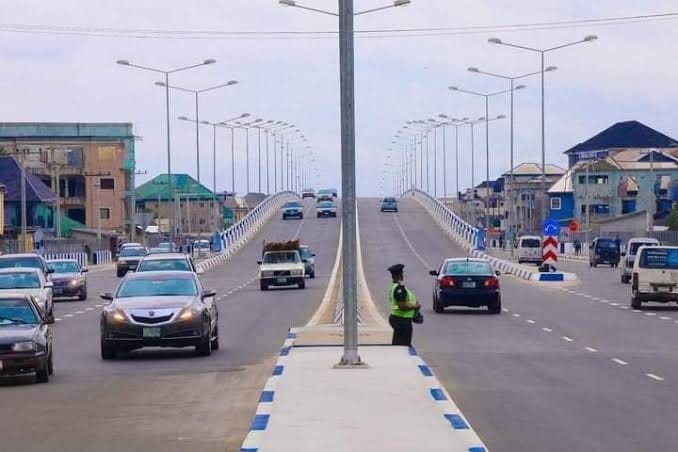
Ask any driver in Port Harcourt what goes through their mind when a checkpoint appears ahead, and you will hear some version of the same calculation: stop and risk being shaken down even with complete papers, or keep moving and hope the officer lets it go. That this is even a real alternative, that “keep driving” is now an option for a law-abiding motorist, tells you everything about the state of police-public trust on our roads.
A local businessman recently narrated how he was stopped at a checkpoint near his estate, asked for his particulars, which were complete and still assaulted and relieved of several hundred thousand naira before he was allowed to leave.
Commercial drivers through Rumuokoro, Obirikwere, and Rumuosi have described those junctions as “war fronts.” Only recently, the Rivers State Police Command itself was forced to arrest officers attached to a Port Harcourt station after video evidence showed them targeting motorists, again, drivers who had presented valid, original approvals for their vehicles, and demanding money anyway.
Call it what it is: Every one of these encounters teaches drivers the same lesson, that stopping for the police is itself a risk, separate from whatever they may or may not have done wrong.
This is what should shape how we read a motorist’s decision to speed off rather than stop. It is tempting, and easy for those who would rather not examine police conduct, to treat flight as an admission of wrongdoing.
That is a system failure, not an individual character flaw, and it deserves to be looked at as one.
When the cost lands on strangers. The clearest illustration of what this dynamic can cost came on Ada-George Road, near Agip, where a young man was allegedly shot by a police officer following what eyewitnesses describe as an attempted extortion.
He reportedly sped off; the officer allegedly fired on the moving vehicle; the driver lost control and struck three bystanders, who died at the scene. His father has since had to publicly defend his son’s character against attempts to brand him a fraudster, as though that label, even if it were true, would justify what followed.
It should not need saying that intentionally firing gunshots into moving traffic, on roads shared by pedestrians, hawkers, and okada riders, is not a proper response to a suspected offence. If illegality was suspected, the appropriate tool was pursuit and arrest, not gunfire. But that shooting is a symptom. The disease is a pattern of checkpoint conduct that has taught an entire city’s drivers a lesson.
Rivers State does not need another press statement promising investigation into a single officer. It needs a serious questioning with why extortion at checkpoints has become routine enough to have its own vocabulary among commercial drivers, and consistent, visible consequences whenever it happens, not just when it ends in tragedy or goes viral.
