


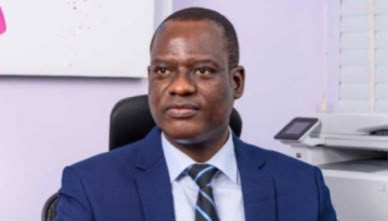
The Federal Government has pushed back on claims that Tinubu’s administration has borrowed roughly ₦80 trillion since coming into office, arguing that most people are misreading what’s actually driving Nigeria’s debt numbers up.
Finance Minister Wale Edun laid out the government’s case before the Senate Committee on Finance on Monday, telling lawmakers that the bulk of the increase comes down to bookkeeping, not new debt.
Here’s his reasoning: as the naira has weakened, Nigeria’s foreign debt looks bigger simply because it’s now worth more in naira terms; revaluation alone added over ₦40 trillion to the total.
Read Also: https://theportcitynews.com/2026/07/21/nigeria-eyes-3m-barrels-daily-oil-output-by-2030/
Another ₦33 trillion, he said, came from converting Ways and Means advances into formal debt, a move the National Assembly had already approved. In his words, that money was owed already; it’s not new borrowing, just newly recognized.
Edun insisted the administration has actually been careful about taking on new loans, channeling what it does borrow into infrastructure and other productive areas rather than day-to-day government spending.
Some of the domestic borrowing, he added, was simply to refinance debts that were already coming due.
Not everyone at the hearing was satisfied, though. Several senators pressed the minister on delays in releasing funds for capital projects, warning that if implementation keeps dragging, it could throw off the 2026 budget.
Senator Sani Musa, who chairs the finance committee, tried to reassure colleagues that the government was working to speed up budget execution and keep spending in line with actual revenue.
