


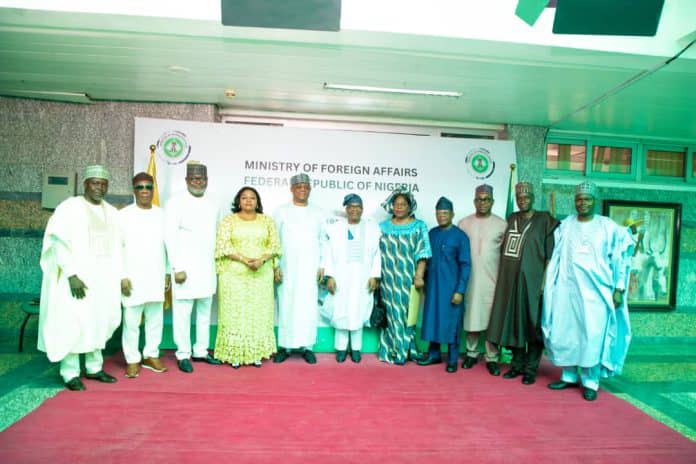
Nigeria’s decision to present Letters of Credence to eleven ambassadors and high commissioners-designate may not attract the public attention typically reserved for elections or major economic reforms, but it remains one of the most consequential foreign policy actions the country has taken this year.
At a time when nations are competing intensely for investment, strategic partnerships and global influence, diplomacy is an economic and political imperative.
The presentation of Letters of Credence formally authorises the envoys to represent Nigeria in their respective countries. Presided over by President Bola Tinubu, the ceremony marks the final constitutional step before the diplomats depart for their assignments, where they will present their credentials to the heads of state of their host nations and assume office.
The eleven ambassadors and high commissioners are expected to lead Nigeria’s diplomatic missions in countries considered critical to the nation’s foreign policy, trade and security interests.
Their responsibilities will include strengthening bilateral relations, advancing Nigeria’s economic agenda, attracting foreign investment, facilitating trade, protecting the welfare of Nigerians abroad and promoting the country’s positions on regional and international issues.
These appointments follow months of concern over vacancies in several Nigerian diplomatic missions. In the absence of substantive ambassadors in key foreign capitals, questions had been raised about Nigeria’s ability to negotiate effectively, respond to international developments and adequately serve its citizens overseas.
The deployment of the new envoys therefore represents an effort to restore momentum to the country’s foreign service and reassure international partners that Nigeria is prepared to re-engage more actively.
The timing is equally significant. Nigeria is seeking to diversify its economy, expand non-oil exports, attract new investment and improve its international image amid domestic economic reforms. None of these objectives can be achieved through domestic policy alone.
They require skilled diplomats capable of opening doors in foreign capitals, facilitating business partnerships and convincing investors that Nigeria remains a viable destination despite its economic challenges.
In today’s world, ambassadors are no longer merely representatives attending diplomatic receptions. They are economic advocates, investment promoters, crisis managers and defenders of their country’s interests. Many successful investment deals, educational partnerships, technology transfers and security agreements begin with conversations initiated by diplomatic missions.
Also see: Police Hunt Gunmen Behind Rivers Community Assault
They present an opportunity to reposition Nigeria’s engagement with the international community. However, that opportunity could easily be lost if merit, professionalism and accountability do not guide the work of the newly appointed envoys.
Nigeria’s foreign missions have long struggled with inadequate funding and ageing infrastructure that have affected service delivery. Many Nigerians in the diaspora have complained about delays in passport renewals, poor consular services and limited support during emergencies. If these longstanding challenges persist, new appointments alone will not transform the country’s diplomatic fortunes.
Effective diplomacy requires adequately funded missions, clear foreign policy priorities and measurable performance indicators. Ambassadors should be assessed not merely by the number of official meetings they attend, but by the investments they attract, the trade opportunities they facilitate, the partnerships they secure and the quality of services they provide to Nigerians abroad.
Every embassy should function as a centre for promoting Nigerian businesses, attracting investors, supporting innovation and strengthening the country’s influence around the world.
The appointment of these 11 ambassadors and high commissioners is therefore a test of Nigeria’s commitment to rebuilding an active and results-oriented foreign policy. If supported by adequate resources and a clear national strategy, these envoys could become key drivers of economic diplomacy and international cooperation.
But if they are left to operate within the same constraints that have weakened many diplomatic missions in the past, the appointments will amount to little more than another official ceremony.
