


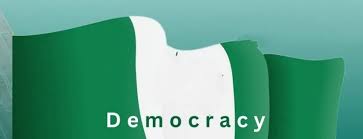
Democracy is often celebrated as the freedom of citizens to choose their leaders through elections. It represents participation, accountability, freedom of expression, and the promise that government exists to serve the people. But in countries facing economic and social challenges, democracy is judged less by political theory and more by everyday experience.
In Nigeria today, that reality has become increasingly visible.
Years after the country embraced uninterrupted democratic governance, many Nigerians continue to ask difficult but necessary questions: Is democracy improving lives? Are citizens safer? Is the economy creating opportunities? Are elections translating into better governance?
These questions are not signs of rejection of democracy; rather, they reflect growing expectations from it.
Security remains one of the biggest tests of Nigeria’s democratic system. Across different parts of the country, concerns over violent crime, kidnapping, communal clashes, and attacks on communities continue to affect livelihoods and public confidence. Farmers worry about accessing their farmlands, businesses face rising operating costs, and families increasingly prioritise safety in their daily decisions.
Security is one of the most basic responsibilities of government. Citizens who elect leaders expect not only representation but protection. When insecurity persists, public trust in democratic institutions naturally comes under pressure.
Alongside security concerns is the difficult economic environment that many Nigerians currently face.
Inflation has become more than an economic term; it has become part of everyday life. Prices of food, transportation, housing, and essential goods continue to place pressure on households. Families adjust spending habits, small businesses struggle with rising costs, and many young people face uncertainty about employment opportunities.
Economic hardship does not automatically mean democracy has failed. However, it reminds leaders that democratic legitimacy is strengthened when citizens see visible improvements in their standard of living.
The economy remains central to this conversation. Nigeria possesses enormous human and natural resources, yet translating potential into broad economic prosperity remains an ongoing challenge. Citizens want policies that support local businesses, encourage investment, create jobs, strengthen infrastructure, and make economic growth more inclusive.
Democracy creates the platform for these decisions, but leadership determines whether the outcomes reach the people.
Elections remain the foundation of democratic governance, but Nigerians increasingly expect more than campaign promises and political slogans. Citizens want electoral processes that inspire confidence and leadership that remains accountable after victory at the polls.
Democracy cannot become an event that happens every four years and disappears afterwards.
The true value of elections is not simply changing leaders; it is producing governments that respond to public needs. Roads, schools, hospitals, jobs, security, and economic stability are among the outcomes people associate with democratic progress.
At the same time, citizens also carry responsibility. Democracy requires participation beyond election day staying informed, engaging peacefully, demanding accountability, and protecting democratic values.
Nigeria’s democratic journey remains a work in progress. The country has recorded achievements through constitutional governance and political continuity, but the expectations of citizens continue to evolve.
Today, Nigerians are not merely asking for the right to vote; they are asking for the right to live safely, earn decently, and build a future with confidence.
That is perhaps the strongest challenge facing democracy in Nigeria, not whether elections are held, but whether governance can deliver security, economic relief, and meaningful progress.
Because in the end, democracy is not measured by ballot papers alone. It is measured by the quality of life people experience after the votes have been counted.
