


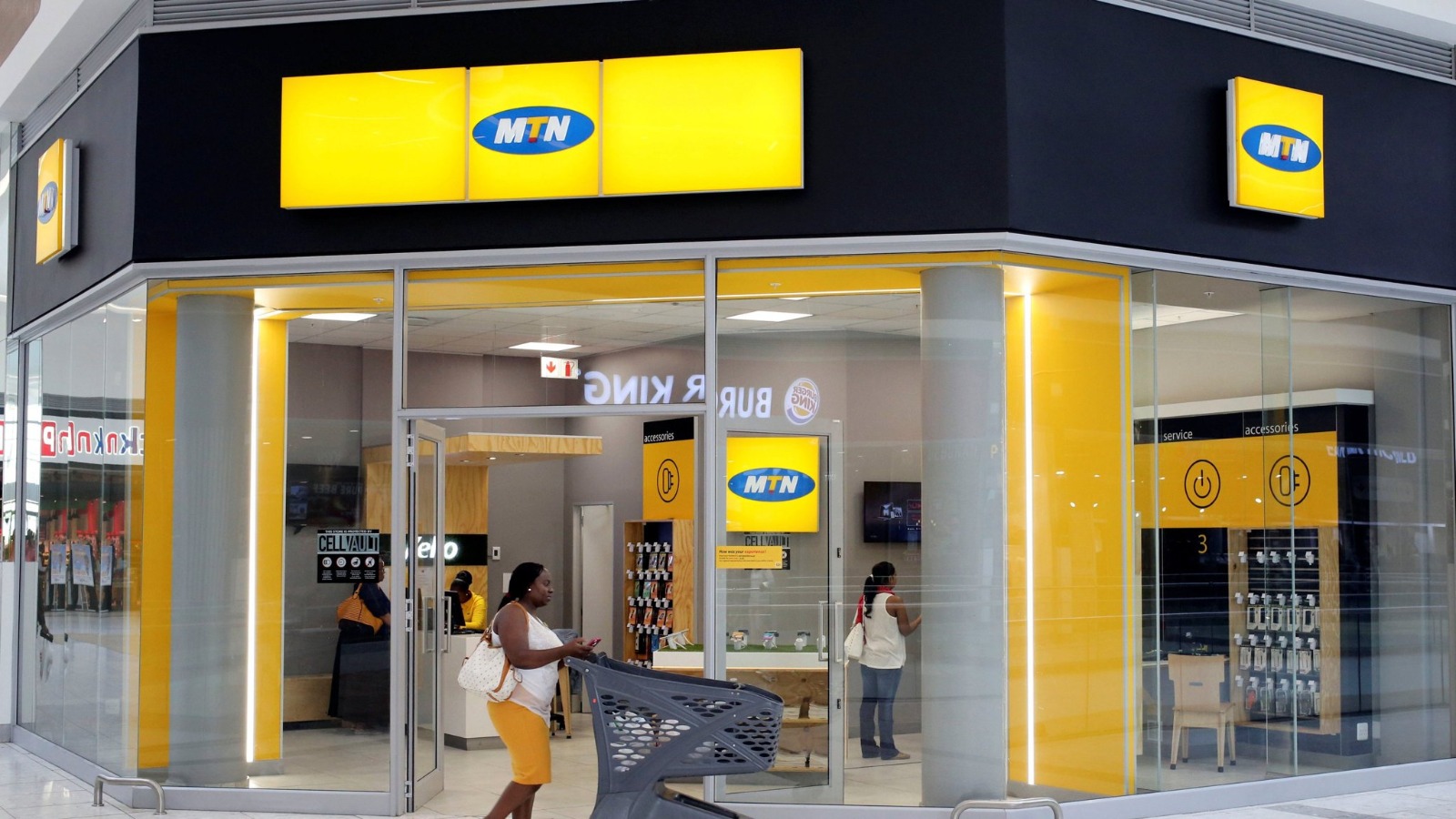
A potential deal between MTN Nigeria and Mafab Communications over a prized 5G spectrum holding is opening a fresh front in Nigeria’s telecoms industry, with experts divided over whether the transaction would accelerate network investment or further concentrate market power in the hands of the country’s biggest operator.
Although the discussions have not resulted in a concluded transaction, any eventual transfer would require regulatory approval and could have far-reaching implications for the structure of competition in Nigeria’s increasingly data-driven telecommunications market.
At the centre of the matter is a 100MHz block of 3.5GHz spectrum that Mafab acquired for $273.6 million during the Nigerian Communications Commission’s 2021 5G auction.
The spectrum was originally intended to widen access to next-generation mobile technology by bringing more operators into the 5G market. Four years on, the possibility that the asset could move to MTN is prompting a reassessment of whether the auction’s original competitive goals still hold.
Mafab and MTN each paid $273.6 million for 100MHz blocks after winning the auction, while Airtel was also among the bidders. MTN subsequently paid a further $15.9 million at the assignment stage for the 3500–3600MHz block, while Mafab received the 3700–3800MHz block without an additional payment.
A transfer of Mafab’s spectrum to MTN would place additional high-capacity frequencies in the hands of an operator that already commands one of the country’s largest subscriber bases and most extensive network infrastructure.
That combination could offer significant technical advantages, allowing MTN to boost network capacity, improve data speeds and handle rising traffic without relying solely on new infrastructure, benefits that could matter more as Nigerians shift further toward data-intensive services like video streaming, social media, cloud applications and digital payments.
Telecom consultant Ejikeme Onyeaso said the potential transaction presents regulators with a difficult balancing act. Additional spectrum could help an established operator improve service delivery and deploy capacity more efficiently, he said, but concentrating more spectrum with the dominant player could also alter the competitive position of operators with smaller infrastructure footprints and less financial muscle.
Read Also: indonesias-pertamina-eyes-stake-in-nigerias-2026-oil-licensing-round
Because spectrum is a finite public resource that cannot simply be reproduced as demand rises, its allocation shapes not just network quality but operators’ ability to compete for customers and investment.
An industry executive familiar with the discussions argued that combining Mafab’s spectrum with MTN’s extensive network and tower infrastructure could bring immediate benefits for subscribers, improving coverage and performance while making the company more attractive to investors.
But the same transaction could increase pressure on rivals, particularly Airtel and Globacom, if they cannot secure comparable spectrum or match the investment.
The question is complicated further by Nigeria’s current technology mix. The NCC’s latest figures show 5G accounted for just 4.74 per cent of mobile connections in July 2026, up from 0.12 per cent three years earlier, while 4G still dominates with 54.31 per cent of connections. That gap raises a basic question: is Nigeria ready to concentrate more 5G spectrum when most consumers are still on 4G?
One industry insider questioned the rationale for MTN acquiring additional 5G capacity without a clearer sense of how quickly the market can absorb it. “What does MTN need the 5G spectrum for?” the source asked, pointing to the still-limited number of consumers using 5G-compatible devices.
The concern, the source suggested, is not that more spectrum is unnecessary, but whether the investment would deliver enough economic and consumer benefit to justify further concentrating a scarce resource, especially as subscribers continue to report congestion and inconsistent service on existing 4G networks.
A significant migration of consumers from 4G to 5G could intensify that pressure, driving up demand for spectrum, towers, fibre infrastructure and backhaul capacity. That makes the MTN-Mafab discussions about more than the ownership of a $273.6 million asset; they raise broader questions about how Nigeria wants its telecoms market to evolve.
Mafab’s experience also invites scrutiny of the original purpose of the 2021 auction. If an operator that secured spectrum specifically to enter the 5G market ultimately transfers the asset to an established competitor, regulators may need to examine what held back the development of a stronger independent 5G business around the licence.
The outcome could also shape how future spectrum auctions are designed, including the conditions attached to licences, deployment obligations and rules around transfers.
