


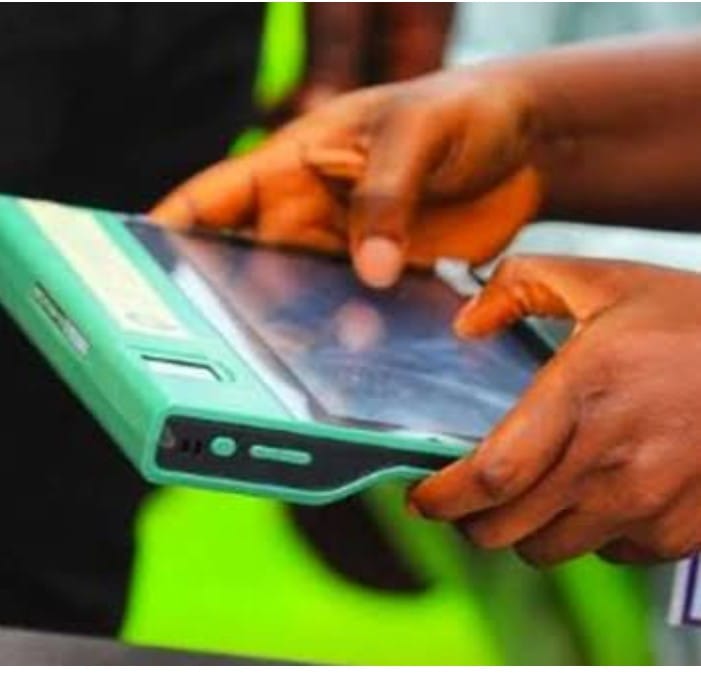
The Independent National Electoral Commission, INEC says it is expecting the full release of a substantial budget proposed for the 2027 general elections to facilitate the replacement of damaged Bimodal Voter Accreditation System (BVAS) machines.
INEC made this known on Wednesday September 2, while confirming plans to conduct a mock presidential election to evaluate the performance of both the BVAS and the INEC Result Viewing Portal (IReV).
It said that the exercise was designed to simulate actual election-day conditions to identify and rectify technical vulnerabilities before the official polls.
According to the Commission, the move comes as a direct response to the technical failures and controversies that characterised the 2023 general elections, where glitches in the IReV portal led to widespread distrust and prolonged legal battles over the presidential results.
“The commission’s reliance on the release of the proposed budget suggests that the procurement and maintenance of essential hardware remain tied to federal government funding approvals. Without the full release of these funds, the commission may struggle to ensure that every polling unit is equipped with a functional BVAS unit, which is critical for preventing double registration and ensuring voter accreditation.
“The proposed mock presidential election will serve as a stress test for the digital infrastructure. By mimicking the traffic and data loads expected during a national vote, INEC intends to verify if the BVAS and IReV can operate synchronously without the delays witnessed in previous cycles.
“The BVAS is used for the accreditation of voters using fingerprints and facial recognition, while the IReV is the public-facing portal where scanned polling unit results are uploaded for transparency” the electoral body stated.
The Commission explained that in 2023, the failure to upload presidential results in real-time sparked allegations of manipulation, making the upcoming mock exercise a critical step in restoring public confidence in the electoral process.
It also noted that beyond software testing, the physical condition of the hardware is a primary concern.
“Many BVAS units suffered wear and tear or damage during the 2023 cycle and subsequent off-cycle governorship elections. Replacing these damaged units is essential to avoid equipment failure on election day, which often leads to voter frustration and security breaches at polling stations” INEC asserted.
Political analysts and civil society organisations have previously urged INEC to be more transparent regarding its technical readiness.
They said the commission’s current focus on simulations and hardware upgrades indicated an acknowledgement that technical reliability was as important as legal frameworks in ensuring election legitimacy.
INEC is now expecting the Federal government to prioritise the release of the requested funds to ensure that the replacement of damaged hardware is completed well before the 2027 cycle begins.
