


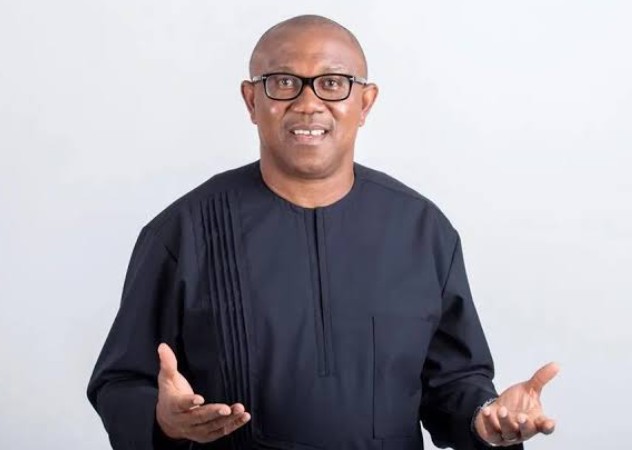
The Presidency has described the call by the presidential candidate of the Nigeria Democratic Congress, NDC, Mr. Peter Obi for President Bola Ahmed Tinubu to resign, as childish, hollow and an unwarranted distraction.
The Special Adviser to the President on Information and Strategy, Bayo Onanuga in a statement issued on Monday June 22 by the Presidency said Mr Obi’s comparison of Nigeria’s situation with the resignation of a British Prime Minister was misplaced and failed to appreciate the differences between the two countries’ political systems.
” Nigeria operates a presidential system of government in which a president is elected for a fixed four-year term, unlike the parliamentary system in the United Kingdom” Mr Onanuga said.
The presidential spokesman argued that recent electoral victories recorded by the ruling All Progressives Congress (APC) in governorship, senatorial and legislative elections across several states demonstrated continued public support for President Tinubu and his administration.
He maintained that any assessment of the President’s popularity should be left to the electorate during the next general election rather than through what he described as attempts to pressure the President through social media campaigns.
Responding to Obi’s criticisms of the government’s handling of insecurity, the Presidency said President Tinubu inherited long-standing security challenges but had recorded notable successes since assuming office in May 2023.
Mr. Onanuga stated that security forces had rescued hundreds of kidnapped victims, intensified military operations across troubled regions, and neutralised several terrorist commanders.
He further claimed that more than 15,000 terrorists had been eliminated through coordinated operations, while investments in security infrastructure, including the deployment of advanced technology and drones, had strengthened the country’s security architecture.
The statement also highlighted the appointment of a Special Adviser on Homeland Security as part of efforts to adopt a more comprehensive approach to tackling insecurity.
The Presidency also defended the administration’s economic policies, insisting that claims that Nigeria was in its worst condition ignored available economic indicators.
“President Tinubu inherited a struggling economy but introduced difficult reforms that previous administrations had avoided.
” The economy had recorded positive Gross Domestic Product (GDP) growth in successive quarters, while trade surpluses and foreign reserves had improved significantly.
“Nigeria’s foreign reserves had surpassed $50 billion and that crude oil production had increased from below one million barrels per day to about 1.8 million barrels daily” he asserted.
