


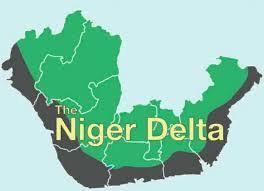
The House of Representatives has raised concerns that ongoing litigations over Host Communities’ Development Trusts are delaying the delivery of benefits intended for Niger Delta communities under the Petroleum Industry Act (PIA).
In this regard, the lawmakers pointed out that although the PIA, passed in 2021, was meant to change the face of host community development by putting it on an organised, legal footing, the existing conflict among communities is hindering its application.
This statement was made by Dumnamene Dekor, chairman of the House Committee on Host Communities, when he addressed a forum to sensitize stakeholders on the operationalization of Midstream Host Community Development Trusts.
It should be noted that the PIA allows host communities to implement their own projects in accordance with their needs, as opposed to using sporadic CSR projects or voluntary contributions made by oil firms.
As stated by the lawmaker, the Act sets out clear guidelines for the establishment and management of Host Community Development Trusts, including fund mobilisation, governance, development strategies, and accountability.
Nevertheless, Dekor regretted that conflicts among members of the same communities, many of whom had filed legal action against one another, were stopping firms from using the resources meant for developmental projects.
According to him, although oil and gas companies are willing to meet their commitments, internal conflicts among the hosting communities are holding back the process.
“The whole spirit of PIA is lost where there is a case whereby such communities find themselves unable to sort things out because all the money is there but cannot be implemented due to ongoing litigations,” he noted.
Dekor called on members of the hosting communities to work out whatever differences they might be having and make good use of the opportunities coming from the PIA because the committee would keep monitoring its implementation.
The House committee member lauded the Nigerian Midstream and Downstream Petroleum Regulatory Authority (NMDPRA) for organizing the seminar aimed at implementing the PIA.
Before now, the NMDPRA’s Chief Executive, Rabiu Umar, had revealed that the agency had put in place a digital portal to boost transparency and accountability in the administration of the Host Communities’ Development Trust.
The CEO was present at the function and informed those in attendance that the portal would facilitate electronic registration of trust, submission of governance documents, monitoring of contributions, compliance reporting, and project tracking.
According to Umar, the implementation of the portal will ensure fewer disagreements, enhanced oversight, and increased trust from both sides – the host communities and operators.
Furthermore, it would be part of the efforts of the organization to promote transparency in the administration and utilization of monies destined for host communities.
