


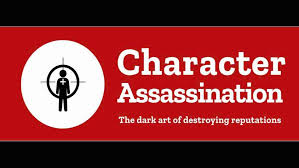
Character is defined as a set of qualities or traits that distinguish a person from others. On the other hand, character assassination can be defined as a deliberate and sustained effort to damage or destroy the reputation or credibility of an individual.
The phrase “character assassination” gained popularity around 1930 as a subject of scholarly study and was originally introduced by Davis in 1950 in his collection of essays, which revealed the dangers of political smear campaigns.
In this regard, Character assassination is a deliberate act or an effort to damage one’s reputation. In legal practice, the act can be referred to as defamation of character.
Character assassination can be done by a co-worker, family member, schoolmate, or someone within a person’s area of operation and residence.
The attempt to ruin one’s character can sometimes lead to dismissal from work, disrupting existing peace, hatred, constant quarrels, breaking trust, and other unappealing consequences.
The main causes of character assassination can be attributed to envy, jealousy, gossip, a competitive working environment, and so on.
Despite provisions of the law that spell out punishment for character assassination, the usage of social media has amplified the ratio by which persons have been falsely accused and their personalities maligned by unconfirmed and untrue narratives.
To cushion the effects of character assassination, one can sue the party or parties involved in the defamatory speech in court for either slander or libel. If found guilty, the plaintiff will be awarded general damages as a way of compensation.
Such compensations can sometimes come in the form of cash rewards or promotion in a workplace.
However, when the spoken words impute a punishable crime with imprisonment, the parties would be sentenced to jail.
Furthermore, the effects of defamatory speeches in a workplace need to be communicated to members of staff in every work organization regularly to help reduce the jeopardy and improve a healthy working environment.
Related: The Need to Improve the NHIA Service Among Stakeholders
It is important to note that Character assassination can ruin people’s reputations and lead to a series of unpleasant events, such as depression, mental disorder, and death in some cases.
Organizations should have and implement policies that protect their staff from any form of character assassination.
To this end, appropriate and strict sanctions must be put in place to check such tendencies.
In the same vein, Educational planners and administrators should formulate policies that, when implemented, will sensitize pupils and students on the negative effects of Character assassination.
Families, Religious leaders, and employers of labour should teach more about the benefits that come with having a healthy work environment, including peace and huge productivity.
In all, Morality should be the watchword in workplaces, at home, worship centers and indeed at all places to guard against character assassination in society.
