


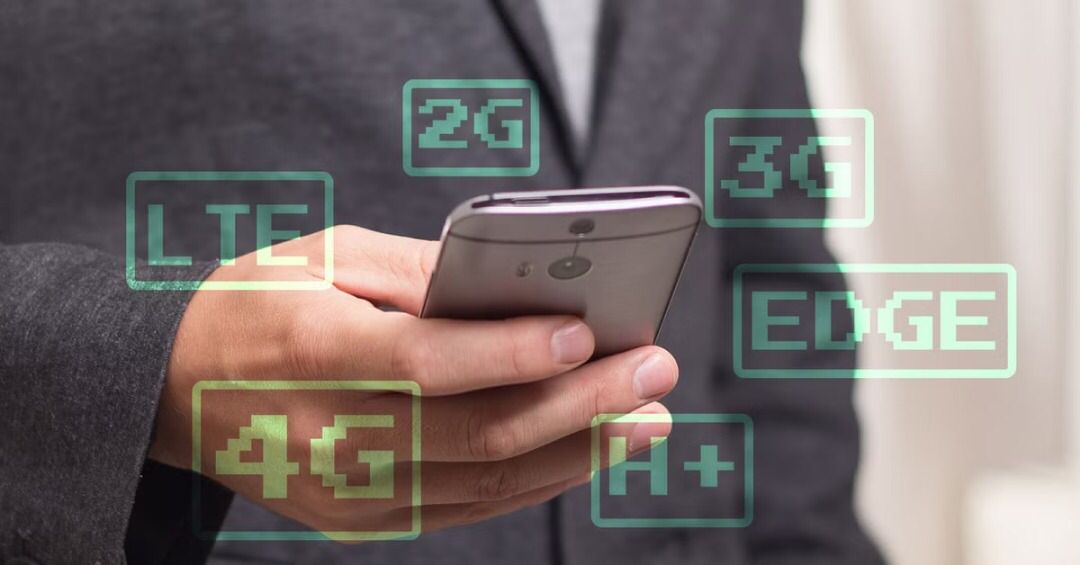
Have you ever stared at your phone screen and wondered what those little letters and numbers near the signal bar mean? Sometimes it says “H”, other times “EDGE”, or maybe “4G” or “Lite”. For most people, they just appear and disappear as long as the internet is working. But in reality, those signals tell the story of how your network is connecting you to the world. Let’s break it down in plain English.
Lite
When you see “Lite” on your phone, it usually refers to a lighter version of an app or service. For example, Facebook Lite or YouTube Lite. These are stripped-down versions designed to consume less data and work well on slower networks like 2G or 3G. They load faster, use less storage, and save your battery. So, Lite is not a network signal itself, but rather how some services adapt to weaker internet speeds.
Barring
Barring is like putting a lock on certain services on your phone line. For instance, a network provider can “bar” international calls if you don’t want to be charged for them. Or you can bar incoming calls when you are roaming abroad to avoid heavy bills. Simply put, barring means restricting or blocking certain services on your SIM.
Roaming
Ever traveled to another city or country and noticed your network name changes? That’s roaming at work. Roaming allows you to use your phone outside your home network by connecting to another provider’s system. While it keeps you connected, it often comes with higher charges unless your provider offers free or discounted roaming plans.
2G
This is one of the earliest mobile internet generations. 2G stands for “second generation” and is mostly used for calls and simple text messages. If you try to browse on 2G, pages load very slowly, almost like dial-up internet back in the day.
Also Read: http://ICPC Receives Petition to Probe Ex-Rivers Sole Administrator
3G
A step up from 2G, this “third generation” network brought faster browsing, basic video streaming, and apps like WhatsApp and Facebook started working properly. It was the gateway to the mobile internet era.
H (or H+)
“H” stands for HSPA (High-Speed Packet Access). Think of it as a boosted version of 3G, faster but not quite 4G. If you see H or H+ on your phone, your browsing and streaming should work fine, though it may struggle with heavy video streaming or large downloads.
EDGE
EDGE stands for Enhanced Data Rates for GSM Evolution. That’s a mouthful, but all you need to know is that it’s a slightly improved form of 2G. If you see EDGE on your screen, your internet will crawl. It’s mostly enough for simple texts on WhatsApp, but not for smooth browsing or streaming.
4G
Now we’re talking speed. 4G, or fourth generation, is the standard for most smartphones today. It delivers fast internet, lets you stream HD videos, make video calls, and browse without delays. It changed the way we use the internet on the go.
5G
The newest player in town. 5G is designed to be lightning fast, with almost no delay. It can handle many devices at once, making it perfect for smart cities, self-driving cars, and super high-quality streaming. While not everywhere yet, it’s the future of connectivity.
So, what does this mean for you?
Each of those signals tells you how your phone is talking to the network. The lower the generation (like 2G or EDGE), the slower and older the technology. The higher ones (4G and 5G) mean faster internet and better service. Lite apps exist to help you survive when you’re stuck on the slower signals. Barring helps control what you can or cannot access. Roaming keeps you connected wherever you travel.
In short, those little letters and numbers on your screen are like the language your phone uses to keep you connected. The next time you see “EDGE” or “H”, you’ll know why your YouTube video refuses to play. And when you’re lucky enough to spot “5G”, enjoy the ride, it’s the highway of the future.
