


The Youths and Environmental Advocacy Centre (YEAC-Nigeria) has warned of worsening food insecurity in the Niger Delta, blaming environmental pollution, loss of livelihoods and inadequate support for smallholder farmers and artisanal fishers.
The organisation raised the concern on Friday to mark the 2026 World Food Day, observed annually on October 16 to promote awareness of hunger and the need to ensure access to safe and nutritious food.
Speaking on the occasion, YEAC-Nigeria’s Executive Director, Dr Fyneface Dumnamene Fyneface, said the Niger Delta, which once produced sufficient food for its people and beyond, was struggling to sustain local food production.
He attributed the situation to oil pollution, which has degraded farmlands and contaminated water bodies, affecting farming and fishing activities across the region.
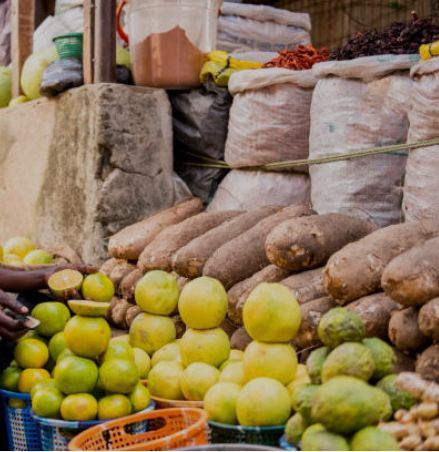
“The creeks that gave us fish and periwinkles are polluted; the farmlands that gave us cassava, yam and vegetables are degraded by oil spills. Our people now buy food they used to produce. This is not sustainable,” he said.
Fyneface warned that the inability of communities in the oil-producing region to feed themselves despite the enormous wealth generated from their environment constituted a national concern.
He added that rising food prices and declining local production had made it increasingly difficult for many families in Rivers State and other parts of the Niger Delta to afford three square meals daily.
To address the situation, YEAC-Nigeria called on federal and state governments to increase investment in local food production by providing smallholder farmers and artisanal fishers with agricultural inputs, extension services and essential infrastructure.
The organisation also urged environmental regulatory agencies to strengthen the enforcement of existing laws to prevent further pollution of farmlands and water bodies.
It further called on stakeholders to promote climate-smart agricultural practices to strengthen local food systems and improve the region’s resilience to environmental and climate-related challenges.
According to Fyneface, achieving food security in the Niger Delta requires urgent action to restore the environment and protect the livelihoods of farming and fishing communities.
“On World Food Day, let us remember that there is no food security without environmental security. To fix hunger in the Niger Delta, we must fix the environment first,” he said.
