


Twenty graduates are in a bush camp, and the first question the nation should ask is not “how much” but “how did they know?”
These young people were not in uniform. They were passengers on commercial buses, with ordinary luggage and ordinary faces. Yet armed men stopped two vehicles at 6:30 a.m. on a road the police have called dangerous before.
Opportunism is possible, since a bus full of young graduates is a tempting target. But a country that has seen so many abductions cannot afford to assume it was luck.
Who knew the travel dates? Who knew the route? Who knew which buses would carry NYSC-bound passengers? The scheme publishes its mobilisation timetable, camps and transport arrangements widely. Somewhere along that chain, a drop of information may have leaked, whether from a booking list, a loose conversation, a driver, a park or an informant. If so, the abductors had help, and security agencies must find that source as urgently as they search for the camp.
The checkpoint rumour deserves a straight answer too. Police and the army operate checkpoints along this corridor. Where was the nearest one? Were personnel on duty? How long before the alarm was raised after the attack? Officials cannot dismiss these questions as gossip. Silence from the authorities is what keeps rumours alive.
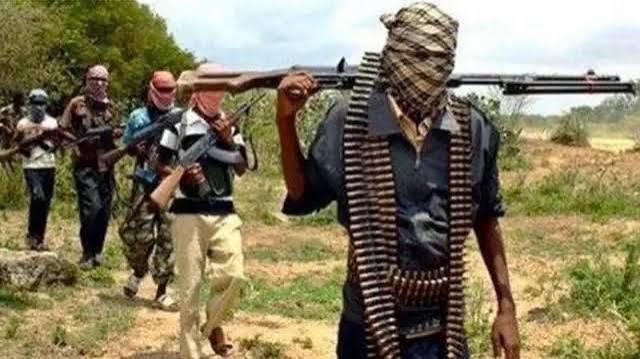
And what do the kidnappers want? So far, the only demand is cash, and the price has dropped from ₦1 billion to ₦100 million. That looks like a business, not a political cause. But a business like this thrives only where its operators feel safe. It means the camp has been sitting in a forest long enough to be mined with explosives, and that police only found it by drone after the fact. Anyone who can plant bombs around a hideout was not improvising.
Parents have already been told to keep “buying time.” Time is not a rescue strategy. The first duty of any government is to protect people it compels to travel. If it cannot, it owes the public three things: an honest account of how the attackers found their targets, an account of what the checkpoint did, and a transparent timeline for getting the victims home.
