


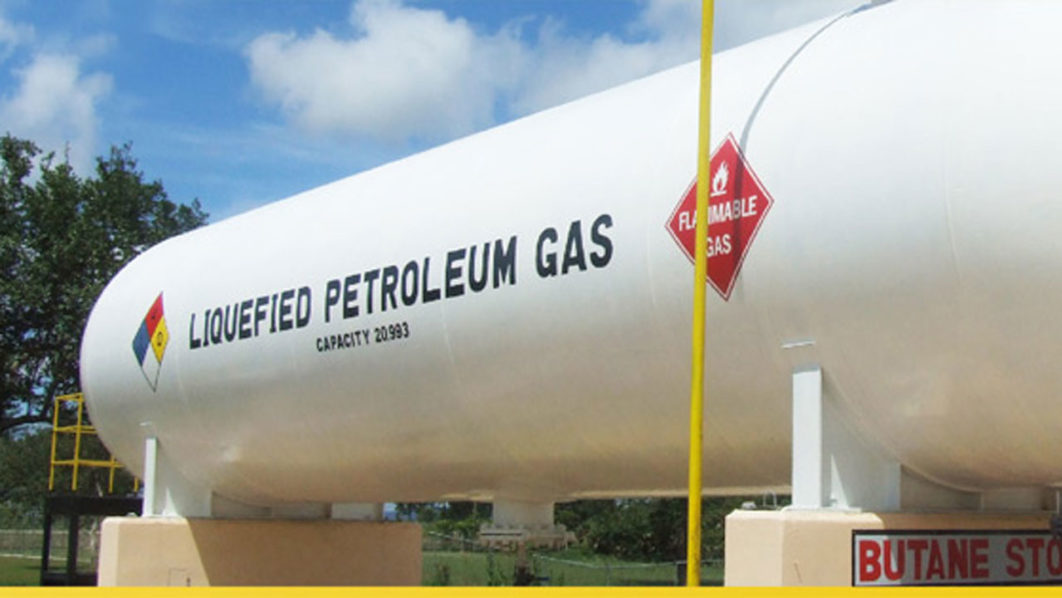
Nigeria LNG Limited (NLNG) has announced plans to raise its liquefied petroleum gas (LPG) output by 50 per cent by the end of 2027, amid growing demand for cooking gas across the country.
The company’s Managing Director and Chief Executive Officer, Adeleye Falade, disclosed this during the commissioning of Asiko Energy Holdings Limited’s newly completed LPG and propane terminal in Ijora, Lagos.
According to Falade, NLNG supplied approximately 500,000 tonnes of LPG to the Nigerian domestic market in 2025, accounting for about 40 per cent of total demand.
He stressed that increasing supply alone would not be enough, noting that additional storage facilities and a more efficient distribution network would be necessary to ensure that the product gets to consumers.
NLNG began supplying cooking gas to the Nigerian market in 2005, when its domestic LPG production stood at about 70,000 tonnes.
The company later made a significant shift in its domestic supply strategy in 2022, when its board approved the allocation of all retained LPG volumes to the local market, despite the company’s predominantly export-oriented business.
Read Also: Nigeria @66: PETROAN Hails Tinubu, Calls for Revival of Government Refineries
Falade pointed to limited infrastructure as one of the key obstacles affecting the country’s gas distribution chain. He therefore urged increased investment from private-sector players to expand the infrastructure required to move LPG efficiently across the country.
The new Asiko Energy facility, which has a storage capacity of approximately 5,000 metric tonnes, is linked to three major LPG delivery jetties. The arrangement gives the terminal access to multiple supply points and is expected to improve its ability to receive LPG.
Speaking on the project, Asiko Energy Chairman Alex Ogedegbe said the terminal highlighted the importance of collaboration between the public and private sectors in developing critical energy infrastructure.
The company’s Managing Director, Felix Ekundayo, explained that the facility has the capability to receive different LPG supplies and blend them to meet the specifications required for the Nigerian market.
The Bank of Industry also described the project as an important development for the country, saying the facility could contribute to improved energy security while creating employment opportunities and supporting wider industrial growth.
