


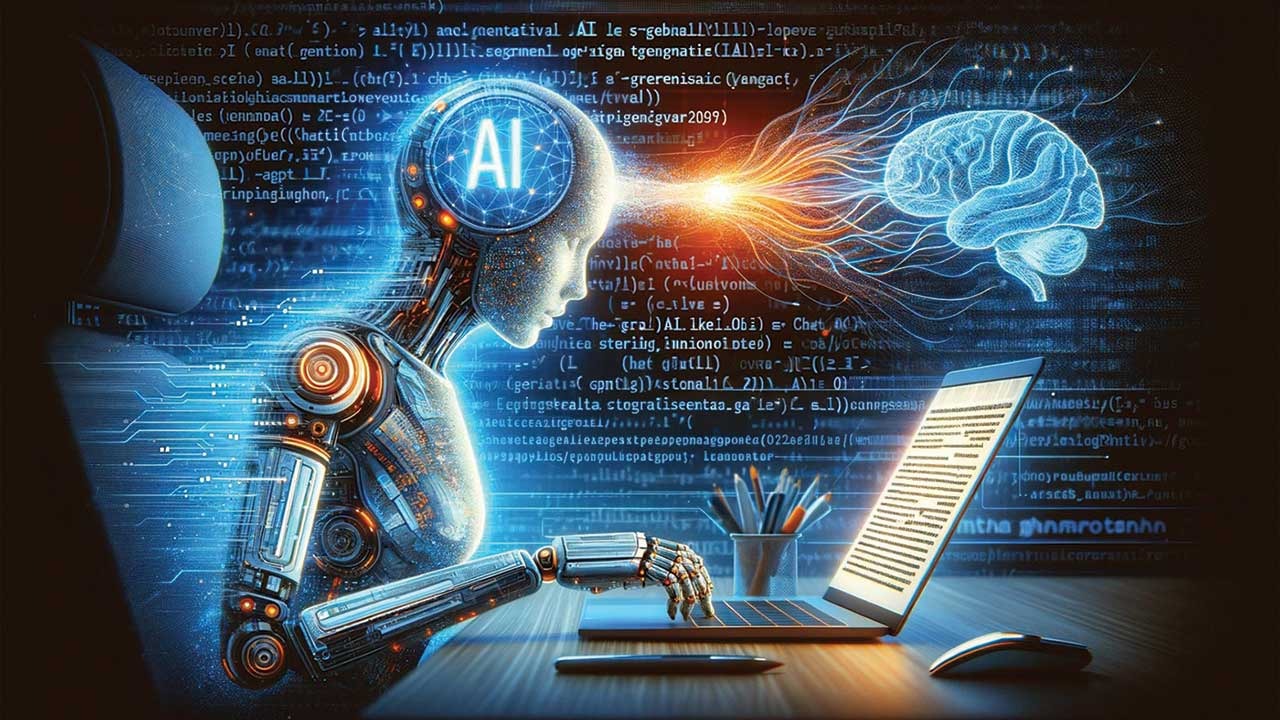
The President of the Guild of Online Media Editors and Publishers of Nigeria (GOMEP-NG), Comr. Akpovoke Otiti, has warned that excessive reliance on Artificial Intelligence (AI) could weaken critical thinking, creativity and independent reasoning among young people.
Otiti raised the concern while speaking at a programme in Abuja, where he examined the growing influence of AI on education and everyday life.
He cautioned that allowing AI-powered devices to perform tasks that require human reasoning and judgment could gradually undermine essential intellectual abilities.
According to him, the increasing use of technology in schools and homes should complement, rather than replace, traditional learning activities such as reading, writing, critical analysis, practical learning and human interaction.
The danger is that we may gradually stop exercising the very abilities that make us human, he said.
Read Also: fg-targets-90000km-fibre-network-to-transform-nigerias-digital-economy
Otiti stressed that education should not be limited to accessing information, but should equip students with the ability to question, analyse, reason independently and develop original ideas.
He also expressed concern over reports of declining attention spans and weakened executive-function skills among young people, describing responsible technology use as an urgent issue for parents, educators and policymakers.
However, he clarified that AI should not be rejected, arguing that the technology should be used to enhance human abilities rather than replace them.
“The coming era will be the ability to think deeply, knowledgeably and originally, and to be the best of what the human being can be, not a pale imitation of AI,” he said.
The GOMEP-NG president therefore called for clear guidelines on the use of AI in education, urging stakeholders to preserve activities that promote independent thinking, creativity, concentration, problem-solving and meaningful human interaction.
