


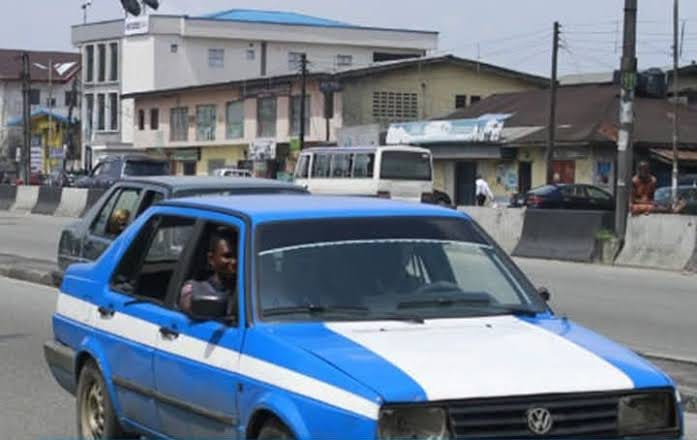
The Rivers State Government wants all commercial vehicles painted in approved colours by October 31. The rules will start on November 1. Officials say this will make it easier to identify real commercial vehicles from fake ones, and help stop the many one-chance robberies happening in the state. It sounds like a good plan.
But before drivers and the public trust it with their money and safety, two questions need clear answers: Will this really stop crime? And how much will it cost drivers?
Permanent Secretary Vera Sam-Dike announced the new date at a meeting with transport unions on Thursday. This is the second time the date has been moved, after the first date in September was too soon. The transport unions had asked for more time, until January 1, because of the rainy season and hard economic times. The government later agreed to October instead.
NURTW State Chairman Boma Tom-George said the unions are ready to follow the new rule. This shows some good talks happened between both sides. That is a good thing. But agreeing on a date does not mean the plan will actually work.
One-chance robbery happens when criminals pretend to be real commercial drivers to trick passengers before robbing them. Giving vehicles the same colour may help passengers spot fake vehicles more easily. But criminals can also learn to copy the colours.
If the government does not also check vehicle papers properly, put more police in known danger spots, and give people an easy way to report suspicious vehicles, the plan may look good but not stop the real problem. Rivers people deserve real safety, not just a new paint colour.
Money is another big worry. Many commercial drivers already struggle with high fuel prices, bad roads, and low earnings. Paint is not free. If drivers must pay for this themselves, they may raise transport fares, and passengers will feel the pain too. Some drivers may not be able to pay at all and could be punished for it.
The move of the Rivers State Government to partner with painters to help drivers get their vehicles painted, and the ongoing registration exercise is great. This is a helpful first step. But the state still needs to prove that this plan is about more than paint. The government should allow drivers to pay in bit parts, while working with paint companies to reduce the cost for drivers.
