


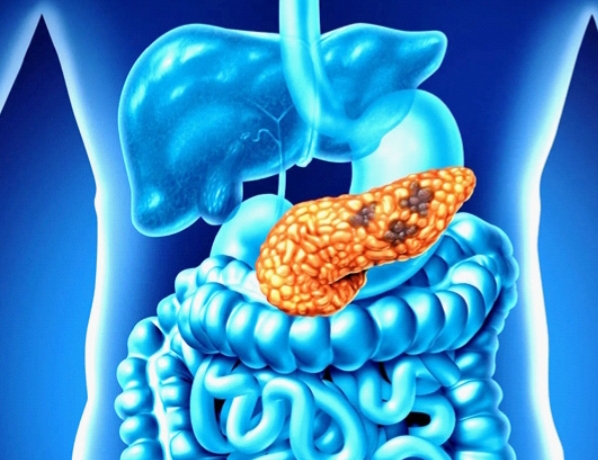
Pancreatic cancer is one of the deadliest cancers because it is difficult to detect in its early stages. The disease often develops without noticeable symptoms, allowing it to spread before diagnosis. November is Pancreatic Cancer Awareness Month, highlighting the importance of public education and early detection.
The pancreas, located behind the stomach, produces digestive enzymes and insulin, which regulates blood sugar. Risk factors include age, smoking, obesity, Type 2 diabetes, chronic inflammation of the pancreas, excessive alcohol consumption, and family history.
Although pancreatic cancer affects both men and women, studies show that Black Americans experience higher rates of the disease. Research also indicates increasing cases among younger women, particularly Black women.
Read Also: rivchpp-enrols-over-160000-residents-in-rivers-health-insurance-scheme
Common warning signs include persistent abdominal or back pain, unexplained weight loss, loss of appetite, jaundice, digestive problems, itching, and newly developed diabetes.
In Nigeria, late hospital presentation, expensive diagnostic tests and limited access to specialist healthcare make treatment more challenging. Diagnosis often involves CT scans, MRI, biopsies and blood tests.
Treatment options include surgery, chemotherapy, targeted drugs and supportive care, depending on the stage of the disease. Recent research has also produced encouraging developments in targeted treatment for advanced pancreatic cancer.
The article stresses the importance of awareness, recognising warning signs, understanding risk factors and seeking medical attention promptly to improve outcomes.
