


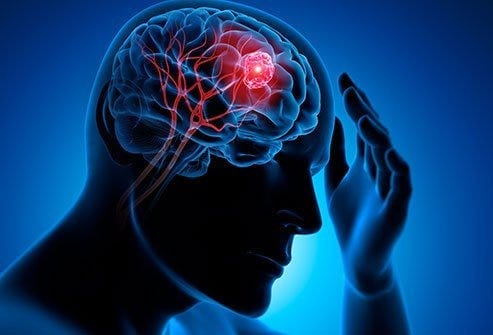
A Nigerian researcher, Oladele Ayomide Benjamin, has developed a low-cost artificial intelligence (AI) tool designed to improve brain tumour detection, offering a promising solution for hospitals and research institutions with limited computing resources.
The innovation aims to make advanced medical diagnostics more accessible, particularly in developing countries where the high cost of sophisticated computing systems often limits the adoption of AI-powered healthcare technologies.
By reducing hardware requirements without compromising diagnostic performance, the tool has the potential to support earlier and more accurate detection of brain tumours.
According to reports, the AI model was designed with efficiency in mind, enabling it to operate on standard computer systems rather than expensive, high-performance machines typically required for complex medical imaging analysis.
This makes the technology especially suitable for healthcare facilities in low-resource settings where access to cutting-edge infrastructure remains a challenge.
Brain tumours are among the most challenging medical conditions to diagnose, often requiring expert interpretation of MRI scans.
Delays or inaccuracies in diagnosis can significantly affect treatment outcomes. Benjamin’s innovation seeks to complement the work of radiologists by providing rapid image analysis, improving diagnostic accuracy and reducing the time needed to identify abnormalities.
The researcher noted that the project was driven by the need to bridge the healthcare technology gap between developed and developing nations.
He expressed optimism that the AI tool could contribute to better patient outcomes by enabling hospitals with limited resources to benefit from modern diagnostic technologies without incurring prohibitive costs.
Healthcare experts have continued to identify artificial intelligence as a transformative technology capable of improving disease diagnosis, treatment planning and patient care. Innovations such as Benjamin’s are expected to accelerate the adoption of AI in medicine while promoting equitable access to quality healthcare services.
The development also highlights the growing contribution of Nigerian researchers to global AI innovation, particularly in healthcare, where cost-effective solutions are increasingly being sought to address medical challenges in underserved communities.
