


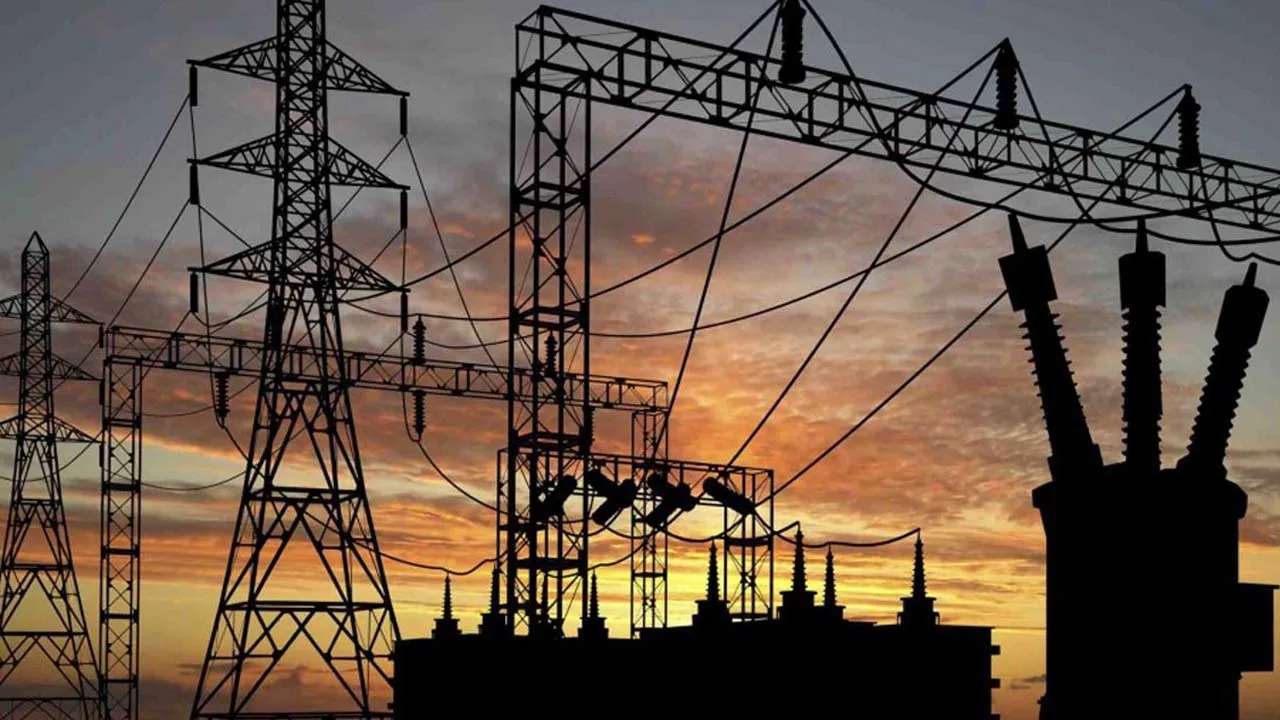
Nigeria’s electricity transmission network recorded an estimated N2.61 billion in losses during the first quarter of 2026 after the Transmission Company of Nigeria (TCN) failed to meet key operational targets set by the Nigerian Electricity Regulatory Commission (NERC).
The regulator disclosed this in its First Quarter 2026 Report, attributing the losses to transmission inefficiencies that pushed the Transmission Loss Factor (TLF) above the benchmark approved under the Multi-Year Tariff Order (MYTO).
According to the report, the average TLF stood at 7.96 per cent during the review period, exceeding the regulatory target of 7.00 per cent. The figure also represents an increase from the 7.27 per cent recorded in the fourth quarter of 2025.
The TLF measures the percentage of electricity lost during the transmission from power generation plants to electricity distribution companies (DisCos) and other bulk customers before it reaches end users.
NERC explained that the higher transmission losses had significant financial implications for the sector. Of the total estimated loss, N257.91 million resulted directly from excess transmission losses; at the same time, N2.35 billion represented payments owed to electricity generation companies (GenCos) for power generated but not successfully delivered to consumers.
The commission noted that because the transmission service provider exceeded the approved loss threshold, it cannot recover the additional revenue required to offset those losses from electricity customers.
“Exceeding the TLF target means the TSP will not be able to meet its full revenue requirement, as there is no provision to recover the revenue needed to cover the excess losses from customers,” NERC stated.
Although the estimated N2.61 billion loss marks an improvement from the N3.13 billion recorded in the previous quarter, the regulator said the figures highlight continuing weaknesses in the country’s transmission infrastructure.
Beyond the financial impact, the report pointed to a decline in the stability of the national electricity grid during the quarter.
According to NERC, the average lower daily system frequency dropped to 49.11Hz. In contrast, the average upper frequency increased to 50.72Hz, widening the overall quarterly frequency range to 1.61Hz, compared with 1.27Hz in the last quarter of 2025.
The commission said the wider frequency range reflects a deterioration in grid performance.
“The 0.34Hz increase in the average quarterly frequency range recorded in 2026/Q1 relative to 2025/Q4 indicates a slight decline in the stability of the national grid’s frequency profile,” the report stated.
Voltage performance also remained below acceptable standards during the period.
NERC noted that while the national grid code prescribes a transmission voltage range of 313.50kV to 346.50kV, the average lower operating voltage fell to 304.21kV; in contrast, the upper voltage reached 349.88kV, exceeding the recommended limits.
The regulator warned that persistent voltage fluctuations could damage industrial machinery, disrupt commercial activities, and compel businesses to rely more heavily on self-generated electricity, further increasing operating costs.
The report underscores the operational challenges that continue to confront Nigeria’s electricity transmission network despite ongoing reforms and investments aimed at improving the efficiency, reliability and stability of the national grid.
