


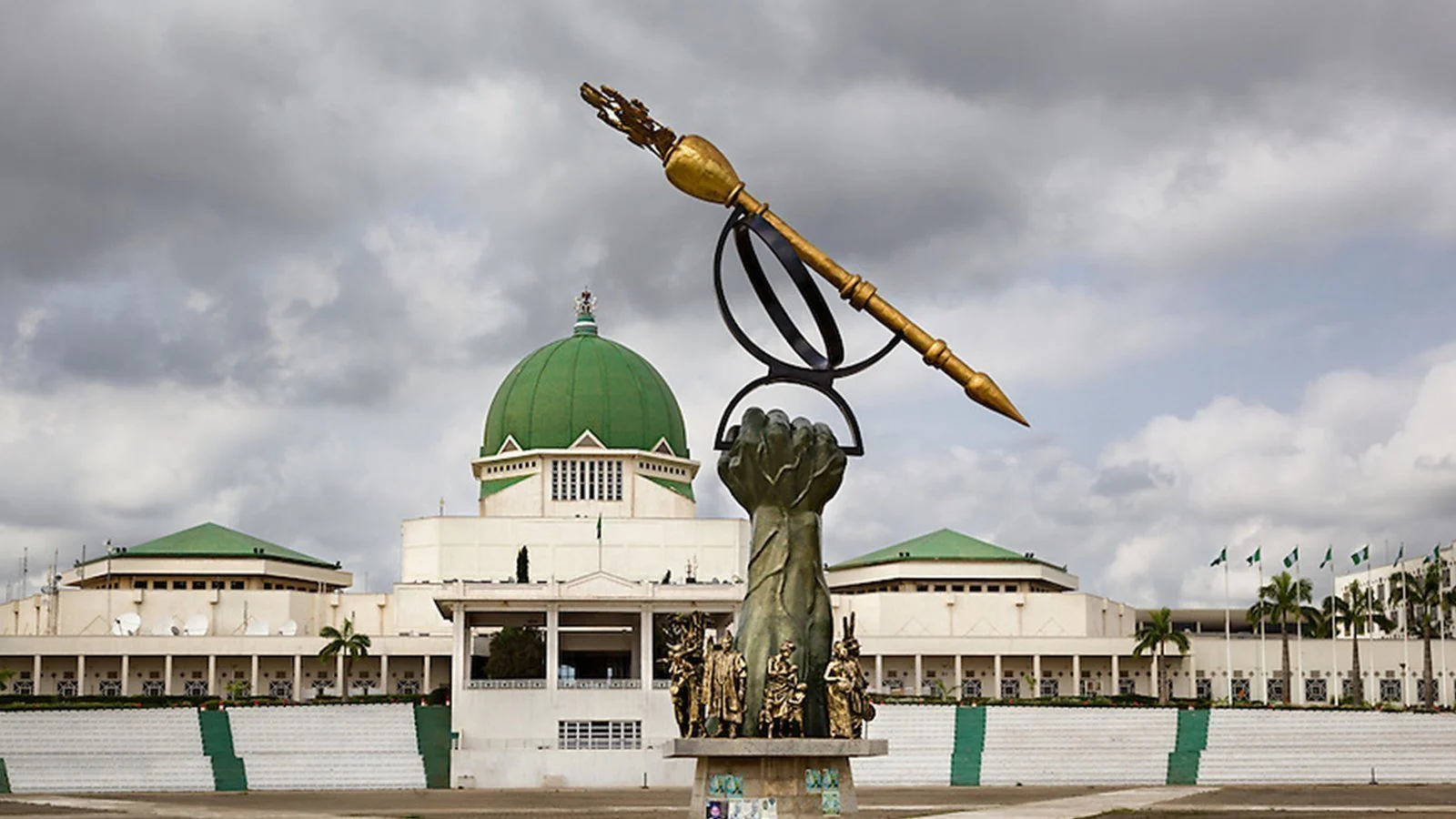
For many Nigerians, the National Assembly has long been viewed as one of the country’s most powerful yet least understood institutions.
While lawmakers make decisions that shape the nation’s economy, security, education, healthcare and governance, many citizens remain disconnected from the legislative process, often seeing the parliament only through the lens of controversies, budget disputes or political disagreements.
The forthcoming National Assembly Open Week presents an opportunity to change that perception. More than a ceremonial gathering, the initiative seeks to throw open the doors of Nigeria’s legislature to citizens, civil society organisations, the media, students and development partners, encouraging greater public engagement with the lawmaking process.
Transparency has become one of the strongest demands of modern democracy. Citizens no longer want to be informed only after decisions have been made; they want to understand how those decisions are reached, who influences them and how their elected representatives vote on issues that affect their daily lives. An open parliament is one way of narrowing the gap between lawmakers and the people they represent.
Also see: Court Upholds Ruling, Bars David Mark-led ADC Leadership from Dissolving State Executives
The significance of this year’s Open Week extends beyond tours of legislative chambers or public lectures. It comes at a time when many Nigerians are questioning the performance of public institutions amid economic hardship, insecurity and rising living costs. Public confidence in governance has been tested, making accountability more important than ever.
By inviting Nigerians into conversations about legislation, committee work and parliamentary oversight, the National Assembly has an opportunity to demonstrate that democracy is not confined to election periods. Effective representation requires continuous dialogue between elected officials and their constituents.
Nigerians will judge the success of the initiative not by speeches or photo opportunities but by whether it leads to more accessible legislative information, greater public participation in policymaking and stronger oversight of government activities. Citizens expect a parliament that not only listens but also responds to their concerns.
The media also has a crucial role to play. Rather than focusing solely on political drama, journalists can use the Open Week to educate the public on how bills become law, how committee investigations work and how citizens can influence legislation through public hearings and stakeholder engagement. An informed electorate strengthens democratic institutions
