


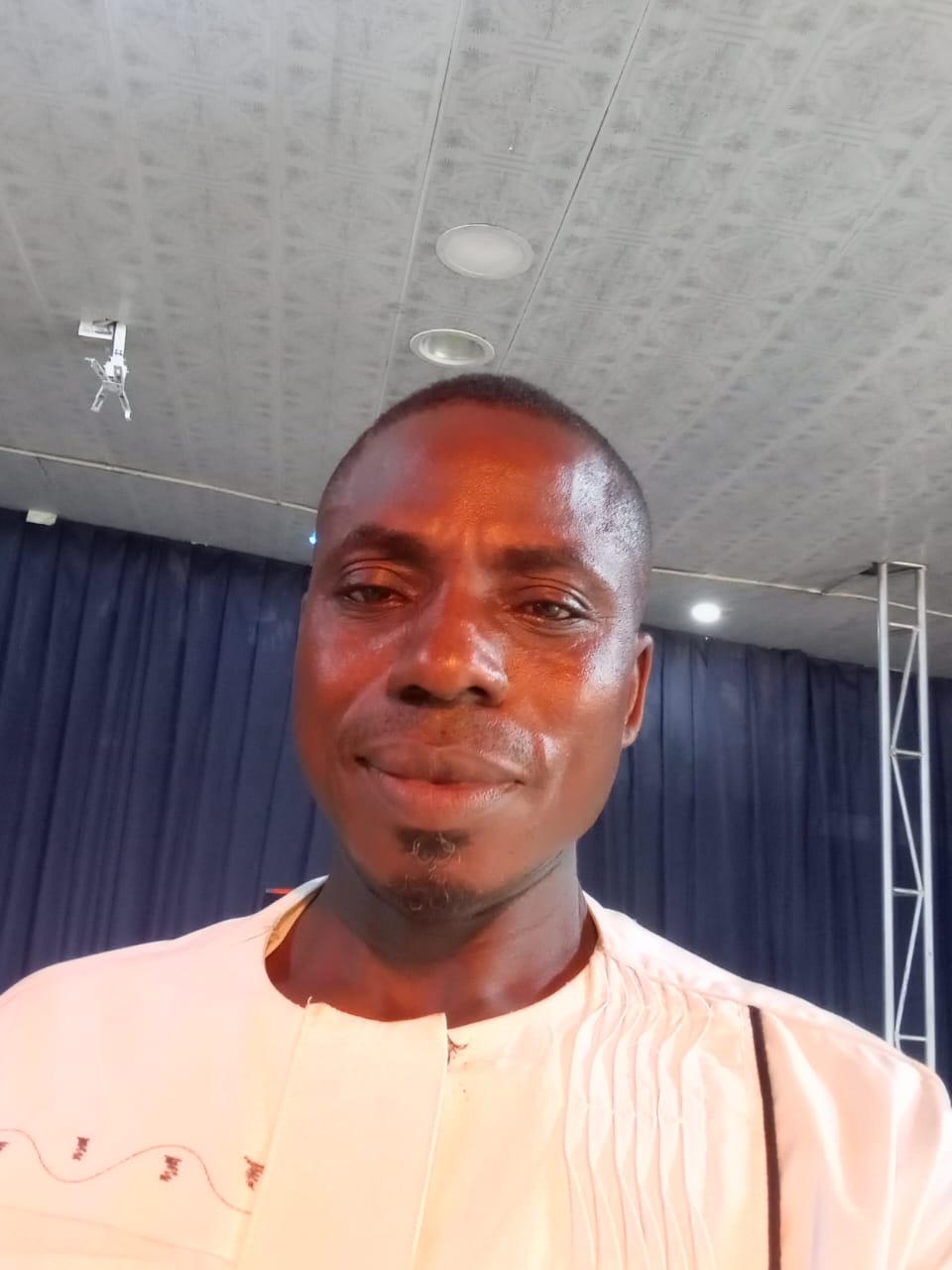
49 year old Mbana Banabas, a native of Korokoro community in Tai Local Government Area of Rivers State, has turned his second-hand Tecno phone into a tool for documenting oil spills and other forms of environmental pollution affecting the area.
Residents of Korokoro has over the years complain of pipelines criss-crossing their farms and fishing waters. When a spill happens, the first people to see it are youths like Mbana.
According to Banabas, he has spent over 8 years patrolling oilfields and farmlands in search of fresh spills and environmental hazards daily. Armed with a cutlass and his mobile phone, he records incidents and forwards videos, photographs and reports to the Youths and Environmental Advocacy Centre (YEAC-Nigeria) through its Executive Director, Dr. Fyneface Dumnamene Fyneface, or via the organisation’s official WhatsApp platform, “ADVOCACY CENTRE.”
In an interview, Banabas explained that documenting oil spills has changed how pollution cases are handled in his community.
“I joined YEAC-Nigeria’s community environmental monitoring programme in 2019 after receiving earlier training from the Health of Mother Earth Foundation (HOMEF) on ecological monitoring. The training equipped me with skills in GPS mapping, evidence gathering and safe reporting of environmental incidents.
“Before, when oil spill, we would just cry and cover our nose,” Mbana says, wiping mud from his boots. “Now, I record it. I send it. And people outside Korokoro including NOSDRA see it and take action to address it.
“When I see the black water, I remember my childhood. We used to swim there. Now even goats don’t drink it.” Mbana remarks.
Before his smartphone crashed, Mbana had a folder titled “Evidence” on his phone containing videos, photos, and voice notes, hoping that one day it would be needed.
Since then, he has documented more than 14 pollution-related incidents, including alleged substandard remediation work by contractors engaged under the Hydrocarbon Pollution Remediation Project (HYPREP).
One of his reports, submitted in November 2020, allegedly exposed improper cleanup activities at Lot 16, where polluted soil was reportedly being covered with sand instead of being properly remediated. The report was escalated by YEAC-Nigeria and HOMEF, prompting HYPREP to reportedly halt the contractor’s work and demand compliance with remediation standards.
Banabas said the intervention demonstrated that community monitoring could improve accountability, even if it did not immediately resolve the pollution problem.
Despite the challenges, Banabas affirmed that he remains committed to protecting his community’s environment, expressing hope that future generations would one day enjoy clean rivers and healthy ecosystems once again.
“I don’t want this volunteering job forever. I want a day when I wake up and the only thing in the creek is clean water and fish.”
Also, his 45 years old wife, Eberubera Banabas, expressed concern over the risks associated with the work, noting that she often worries about her husband’s safety during monitoring visits.
“I tell him, ‘my husband, don’t go alone. Those clean-up company people and oil companies that owned the facilities where you monitor spills are dangerous.’ But he says if nobody monitors and talks, nobody will help us.”
Speaking with our correspondent,
YEAC-Nigeria Executive Director, Dr. Fynefac Fyneface, described community volunteers like Banabas as the first responders of the environment, noting that their reports frequently provide the first evidence needed for Joint Investigation Visits (JIV) and other official responses.
“They are the eyes where the government and companies are not. One phone video from Korokoro can and has been triggering Joint Investigation Visits that affects policy in Abuja and at the community levels,” he said
According to available data from the National Oil Spill Detection and Response Agency (NOSDRA), Rivers State recorded more than 120 oil spill incidents in 2024, with environmental advocates maintaining that many cases remain undocumented.
