


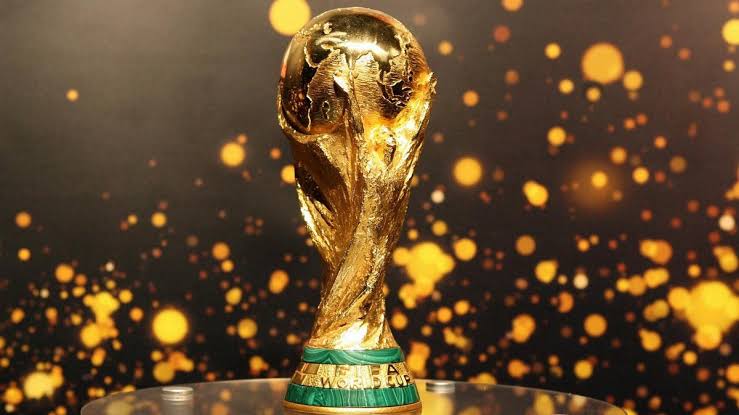
If you have been following the FIFA 2026 World Cup, you notice how many European and other non-African national teams are relying on black players?
England, the USA, France, Portugal, Colombia, Mexico, and several other countries have black players making decisive contributions to their success. Many of these outstanding footballers are of African heritage.
Their speed, strength, skill, creativity, and resilience have become vital assets to the countries they now represent. Ironically, some of the very talents that could have strengthened African national teams are instead helping to eliminate African countries from the tournament. This is more than a football story. It is a reflection of a much broader reality.
Across the world of sports, athletes of African descent continue to bring glory to nations outside Africa. In athletics, basketball, rugby, boxing, tennis, cycling, and many other disciplines, black sportsmen and women are winning Olympic medals, breaking world records, lifting trophies, and hearing the national anthems of countries in Europe and North America played in their honour.
Time and again, these athletes compete directly against African nations, often defeating the very continent from which their families originated. Africa remains one of the richest reservoirs of sporting talent on earth, yet far too often, it exports its greatest assets instead of nurturing and retaining them.
While other nations reap the rewards, many African countries continue to struggle with poor sports infrastructure, inconsistent funding, weak administration, political interference, inadequate athlete welfare, and limited long-term planning. The result is a painful paradox: Africa produces the talent, but others harvest the glory.
Also see: The PFIPC Scandal: A Test of Nigeria’s Political Accountability
This is not an attack on the athletes themselves. Every individual has the right to pursue the best opportunities available for themselves and their families. Many were born abroad. Others grew up in countries that invested in their education, training, healthcare, and sporting development. Their choices are understandable.
The more pressing question is for Africa’s leaders, football associations, sporting federations, and investors. Why does a continent blessed with extraordinary human potential continue to lose so many of its finest athletes? Why do so many gifted young Africans believe that their dreams are more achievable under another nation’s flag than under their own?
Until Africa deliberately invests in world-class academies, modern facilities, transparent administration, athlete welfare, quality coaching, and sustainable sports development, the continent will continue to watch its sons and daughters become champions for others.
The issue, therefore, is bigger than football. It is about vision. It is about leadership. It is about investment. It is about creating an Africa where gifted young people no longer have to leave to fulfil their potential.
So, as we enjoy the excitement of the FIFA World Cup, perhaps we should also ask ourselves this uncomfortable question: When will Africa stop exporting its greatest sporting talents and start building the environment that inspires them to win for Africa?
Peter Ghelecha
