


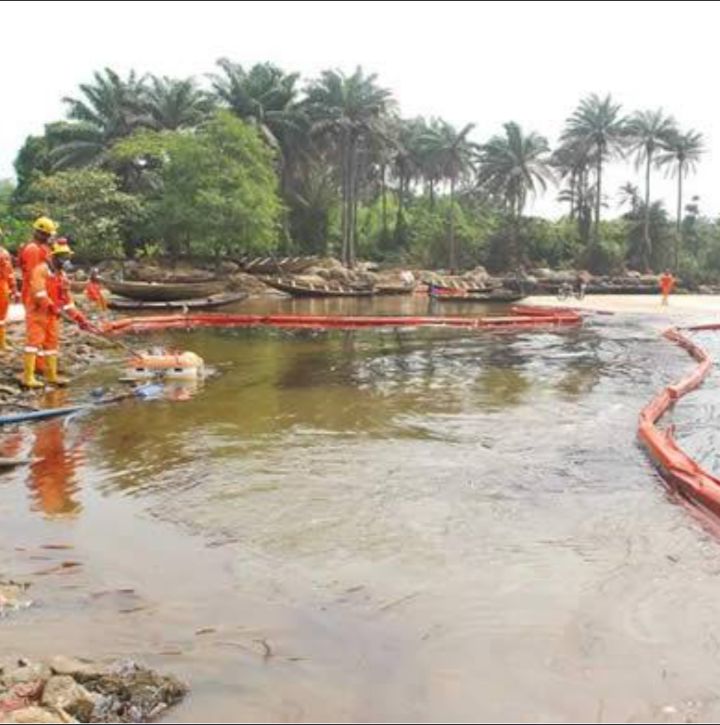
The Hydrocarbon Pollution Remediation Project (HYPREP) has described the ongoing environmental restoration of Ogoniland as a results-driven approach to climate action, as it joined the global community to commemorate World Environment Day 2026.
This year’s celebration, themed “Inspired by Nature. For Climate. For our Future,” underscores the urgent need for accelerated action to tackle climate change and environmental degradation.
In a statement marking the occasion and signed by the
Project Coordinator, Hydrocarbon Pollution Remediation Project (HYPREP), Professor Nenibarini Zabbey, reaffirmed its commitment to implementing the recommendations of the United Nations Environment Programme (UNEP) on the Ogoni cleanup, while advancing citizen-led sustainable climate initiatives across the Niger Delta.
The agency noted that the day holds significant importance as it continues efforts to restore the socio-ecological landscape of Ogoniland and improve the livelihoods of communities impacted by decades of hydrocarbon pollution.
HYPREP highlighted its ongoing interventions, including shoreline cleanup, mangrove restoration, remediation of polluted soil and groundwater, provision of potable water, livelihood support programmes, health initiatives, and the Ogoni Power Project.
According to the statement, the mangrove restoration programme described as the largest of its kind in an oil-degraded environment is being scaled up, with millions of native mangroves already planted. The project also involves the removal of invasive nipa palms to allow indigenous species to thrive.
The agency said the restoration efforts are reviving aquatic ecosystems, with the gradual return of fish, crabs, oysters, and periwinkles, while also enhancing carbon sequestration to mitigate climate change. It added that the carbon assets generated from the project are being positioned to attract carbon credits that will provide sustainable funding for host communities.
HYPREP further disclosed that thousands of Ogoni youths and women have been engaged as mangrove planters, nursery operators, and shoreline monitors known as Mangrove Vanguards to safeguard restored areas and prevent re-pollution.
The project has also strengthened community ownership, with local surveillance teams and traditional institutions collaborating to protect infrastructure and prevent vandalism.
Reaffirming its commitment, HYPREP said it would continue to accelerate remediation efforts in partnership with technical experts and local stakeholders, while expanding investments in sustainable livelihoods, including agriculture and vocational training.
The agency also emphasised its environmental advocacy initiatives, which include school-based environmental clubs and grassroots sensitisation campaigns aimed at promoting a culture of conservation.
It noted that the designation of the Ogoni wetlands as a Ramsar Site of international importance further reinforces the global significance of ongoing restoration efforts.
HYPREP called on stakeholders, community leaders, and the international community to support its mission to restore and protect the environment in the Niger Delta.
The agency reiterated its commitment to ensuring that Ogoniland becomes a safe, healthy, and economically viable environment for present and future generations.
