


Recent research shows that drug cartels, in collaboration with certain airport workers, have devised a new method of smuggling drugs into other countries. Surprisingly, they now employ the services of unsuspecting passengers to carry out their operations.
You must have heard stories, seen documentaries or watched movies where people were detained at airports and later prosecuted after contraband substances such as cocaine, marijuana, heroin, and other illicit drugs were discovered in their luggage. In real life, some of those arrested were actually innocent, while many others were rightly prosecuted.
It is important to understand the consequences of being apprehended at an airport for wrongdoing, especially when it involves the possession of banned substances. In some countries, a life sentence could be the least of one’s worries, as others have gone as far as imposing the death penalty on anyone caught smuggling or possessing cocaine.
Countries like Iran permit capital punishment for trafficking or possessing cocaine. Executions for smuggling and possession of cocaine have also been documented in Saudi Arabia. In China and Vietnam, convictions for cocaine-related offences, including smuggling and possession, can make one eligible for the death sentence. Singapore, on the other hand, imposes a mandatory death penalty for smuggling or possessing cocaine above the legal limit.
For perspective, the nations mentioned above are not the only countries that impose capital punishment on drug offenders. Therefore, one must remain extremely vigilant and never throw caution to the wind while travelling.
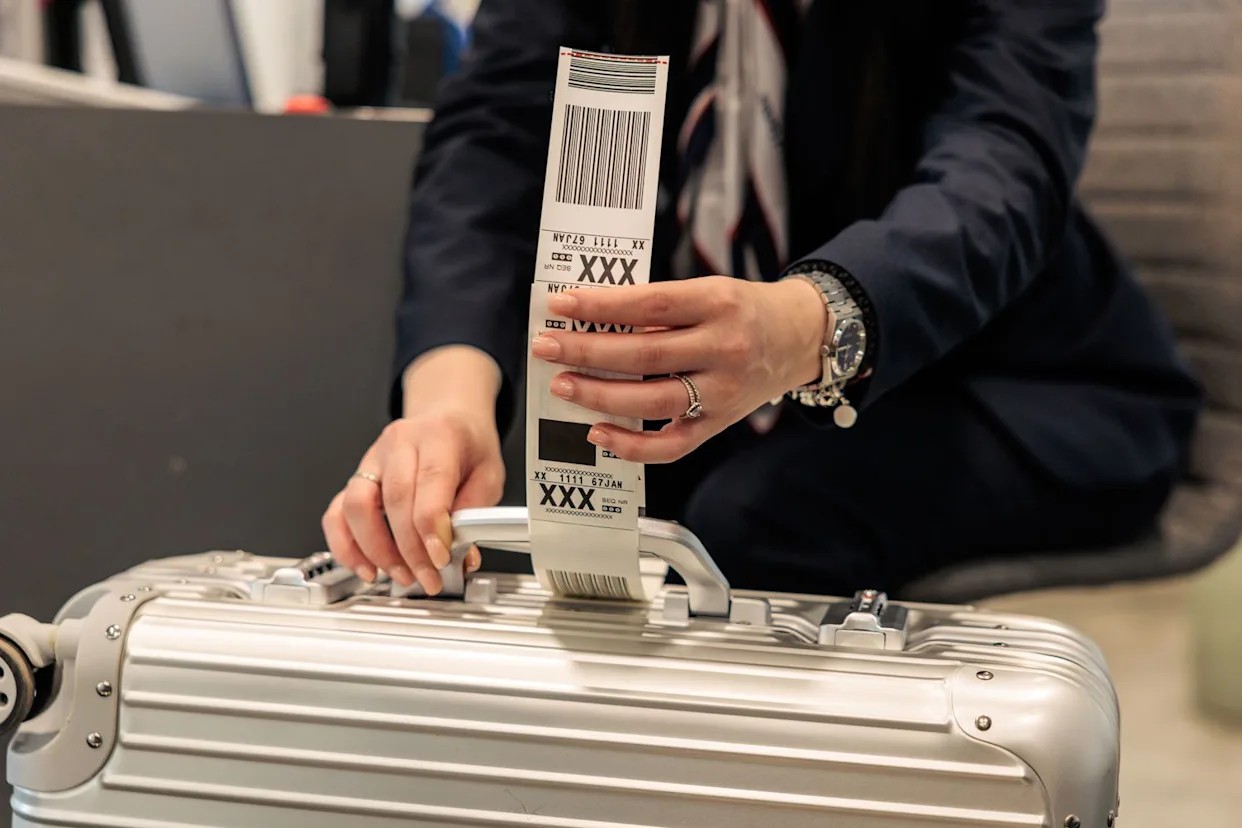
These cartels use passengers’ information to move illicit drugs across borders. They allegedly pay airport workers or staff members to switch passengers’ luggage tags with those attached to bags containing drugs. If the package passes through security successfully, they make money. If it fails, they lose only the product, while none of their agents gets arrested, except the unsuspecting passenger.
As a passenger, imagine the flood of emotions that would run through your body when airport security informs you that your luggage contains cocaine, even though you clearly remember packing only household items before heading to the airport. Surely, nothing would prepare you for such an invent.
Also see: FG Implementing AI-Driven Public Service Reforms, Sovereign Digital Infrastructure
Unfortunately, without substantial evidence proving that the luggage bearing your tag does not belong to you, you may be held liable. If care is not taken, you could face imprisonment or even capital punishment, depending on the country where you were apprehended.
Remember, the colour of a bag is not enough to prove that a piece of luggage does not belong to you when the tag attached to it bears your information. However, there are a few simple precautions you can take to protect yourself from being wrongly implicated.
The next time you are travelling, record the items you pack into your luggage. At the airport, once your luggage tag is issued, confirm that the information on it is correct. After confirming, place a unique mark on your luggage in any way you can. Then record a video showing the luggage tag attached to your bag. Make your face visible in the recording, mention the date, and ensure the marks you made on the luggage are clearly captured.
By doing this, if you ever find yourself in a situation where you must prove that a particular bag or its contents are not yours, you will have evidence to support your claim.
Remember, in the eyes of the law, ignorance is rarely accepted as a defence. In today’s world, many Nigerians are unfortunately subjected to heightened suspicion because of the negative image created by fraud and related crimes. An international arrest would definitely not end well at a time such as this.
These tips may seem simple, but one day they could save your life when the chips are down.
