


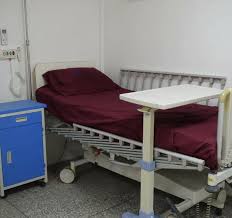
The disturbing reports from the University of Uyo Teaching Hospital are not just another controversy in Nigeria’s endless news cycle. They are a mirror reflecting a country where fear is gradually replacing trust in public institutions.
When a professor and senior doctor say operatives of the Economic and Financial Crimes Commission stormed a hospital, assaulted workers, fired tear gas, and dragged him into a van, Nigerians should not move on casually.
We should pause and ask difficult questions. Are we truly safe anymore? What is the fate of Nigerian doctors? And perhaps the most painful question of all: is this not enough reason for doctors to “japa”?
For years, Nigeria’s healthcare workers have endured conditions that would break professionals in many other countries. Doctors work exhausting shifts in overcrowded hospitals with poor equipment, unstable electricity, inadequate manpower, and delayed salaries. Yet many stayed because they still believed service to country meant something. But incidents like this destroy that belief.
According to reports, Professor Eyo Ekpe, a cardiothoracic surgeon and deputy chairman of UUTH’s Medical Advisory Committee, alleged that EFCC operatives invaded the hospital while attempting to verify a medical report connected to an ongoing case. He claimed the officers assaulted workers and forcefully dragged him away after he informed them that the medical report in question appeared fake and required official approval before release.
The EFCC denied the allegations and insisted its officers were attacked while carrying out lawful investigations. But regardless of whose account eventually prevails, one fact is undeniable: a federal teaching hospital became a scene of chaos, fear, and confrontation.
Hospitals are sacred spaces. They are places where people arrive bleeding, dying, praying, and hoping for another chance at life. The idea that armed operatives could storm such an environment, causing panic among doctors, nurses, patients, and relatives, reflects a deeper crisis in Nigeria’s institutional culture.
Over the years, Nigerians have repeatedly accused security and enforcement agencies, including anti-corruption operatives, of excessive force, intimidation, harassment, arbitrary arrests, and disregard for due process. Students have narrated stories of midnight raids in hostels. Young Nigerians have spoken of being profiled because of phones, laptops, or appearance. Journalists and activists have complained of harassment and unlawful detention.
Every week, Nigerian hospitals lose trained professionals to the United Kingdom, Canada, the United States, and other countries. The “japa” wave is no longer just about money. It is about survival, dignity, mental peace, and professional respect.
The tragedy is that Nigeria desperately needs these doctors. The country already faces severe shortages of healthcare professionals. Many teaching hospitals are operating under dangerous pressure because thousands of doctors and nurses have left. Those who remain are carrying unbearable workloads while trying to hold together a struggling healthcare system.
A country cannot function when professionals begin to fear the institutions meant to uphold law and order. The EFCC was created for an important purpose. Corruption and financial crimes have damaged Nigeria deeply, and the fight against them matters.
The Nigerian Medical Association’s decision to embark on strike action after the UUTH incident shows how serious the situation has become. And ordinary Nigerians may ultimately pay the price through disrupted healthcare services and worsening medical shortages.
Doctors are not asking for luxury. They are asking for safety, dignity, and the freedom to save lives without fear of humiliation or violence. And if Nigeria cannot guarantee even that, then perhaps “japa” is no longer just an option for many healthcare workers. For some, it is beginning to look like self-preservation.

One Response
yjwb4r