


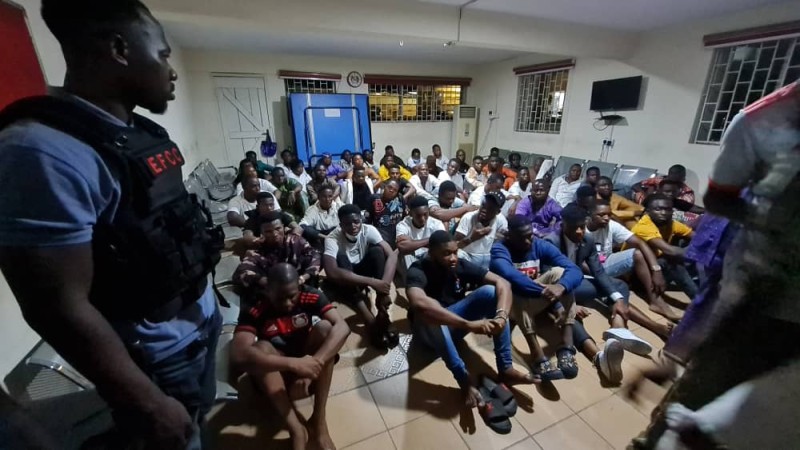
Internet fraud, popularly known as “Yahoo Yahoo,” is becoming an increasingly visible problem in Rivers State, especially in Port Harcourt. What once appeared to be a hidden cybercrime has gradually turned into a widespread social issue involving many young people who are attracted by the promise of quick and easy money.
Internet fraud typically involves deceiving victims online through fake identities, romance scams, investment schemes, and other digital tricks to obtain money. Many perpetrators target victims abroad, building relationships or business connections online before requesting financial assistance under false pretenses.
The rising trend has drawn the attention of Nigeria’s anti-graft agency, the (EFCC), which has carried out several arrests of suspected internet fraudsters in different parts of Port Harcourt. Despite these operations, the practice continues to spread as some youths view it as a fast route to wealth.
One of the major dangers of internet fraud is the effect it has on young people. Many abandon education, skill acquisition, and legitimate jobs in pursuit of illegal income. The lifestyle displayed by some fraudsters, expensive cars, luxury apartments, and flashy social media posts, often creates the false impression that cybercrime is a shortcut to success.
Also see: Nigeria Grid Struggles with 31% Plant Availability
Beyond the individuals involved, the practice damages society as a whole. It contributes to the erosion of moral values, encourages criminal behavior, and harms Nigeria’s reputation internationally. Legitimate Nigerian professionals and businesses sometimes face suspicion in global dealings because of the country’s association with online scams.
Those who participate in internet fraud also face serious risks. Arrest, prosecution, and imprisonment are common outcomes when law enforcement agencies track down suspects. In addition to legal consequences, involvement in cybercrime can lead individuals deeper into organized criminal networks, exposing them to exploitation and violence.
Addressing the problem requires more than arrests alone. There is a need for stronger youth empowerment programs, job creation, and greater awareness about the consequences of cybercrime. Communities, families, and institutions must also discourage the glorification of fraudulent wealth and promote the value of honest work.
If the growing culture of internet fraud in Rivers State is not addressed, it could continue to distort the aspirations of young people and weaken the social and economic fabric of society, making those who work genuinely feel less.
