


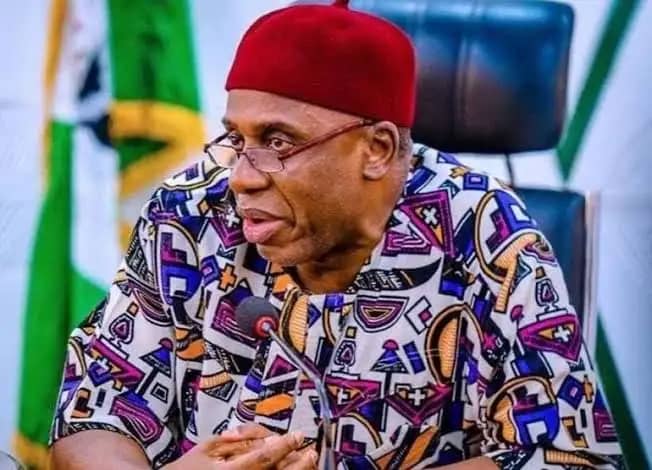
Former Rivers State Governor, Rotimi Amaechi, has disclosed that he did not interfere in the finances of local government councils throughout his time in office, insisting that he maintained a clear distance from their funds.
He made this known during an interview on Channels Television’s Morning Brief, where he spoke on the ongoing debate around local government autonomy and fiscal responsibility in Nigeria.
Amaechi, who served as governor between 2007 and 2015, said his approach to governance was guided by a firm belief in non-interference and respect for institutional boundaries.
“They will tell you in Rivers State, even those who don’t like me know that money is never my problem. I don’t talk to people about money,” he said, stressing that financial dealings were never part of his engagement with local government officials.
He added that from the first day he assumed office until he left, he never held meetings with local government chairmen over financial matters or attempted to influence how their funds were handled.
“From the day I became governor till I left, I never saw a local government chairman over the issue of money. I never touched their money,” he said.
News: Diri Commissions Berezi Civic Centre, Urges Youths to Dream Big
Amaechi explained that his stance was rooted in his support for local government independence, noting that councils should be allowed to function without undue pressure from state authorities.
According to him, local government chairmen do not enjoy constitutional immunity and should be held accountable if found to have mismanaged public funds.
He said enforcing consequences would help ensure that resources meant for grassroots development are properly utilised.
He also weighed in on the legal and structural issues surrounding local government autonomy, saying constitutional amendments are necessary to allow direct allocation of funds to councils without ambiguity.
Amaechi noted that the current system still leaves room for confusion over how funds are shared and managed between state governments and local councils, a situation he believes needs to be addressed through clear legal reforms.
His comments come amid renewed national conversations on the control of local government allocations, especially following recent legal and political developments on the issue.
